The world of electric vehicles is no longer a niche. Each year, this segment not only grows but transforms into a battleground of cutting-edge technology, bold design, and competition over driving range and charging speed. And 2025 is no exception. This year brings several high-profile premieres from top global brands. In this article, we’ve gathered the most exciting electric cars of 2025 — crossovers, a lifted liftback, a sedan, and a hatchback from different parts of the world.
Smart #5
The largest crossover from Smart has finally made its way to Europe. It debuted in China last summer and launched on the Chinese market in the fall. The model is built on Geely’s SEA platform.
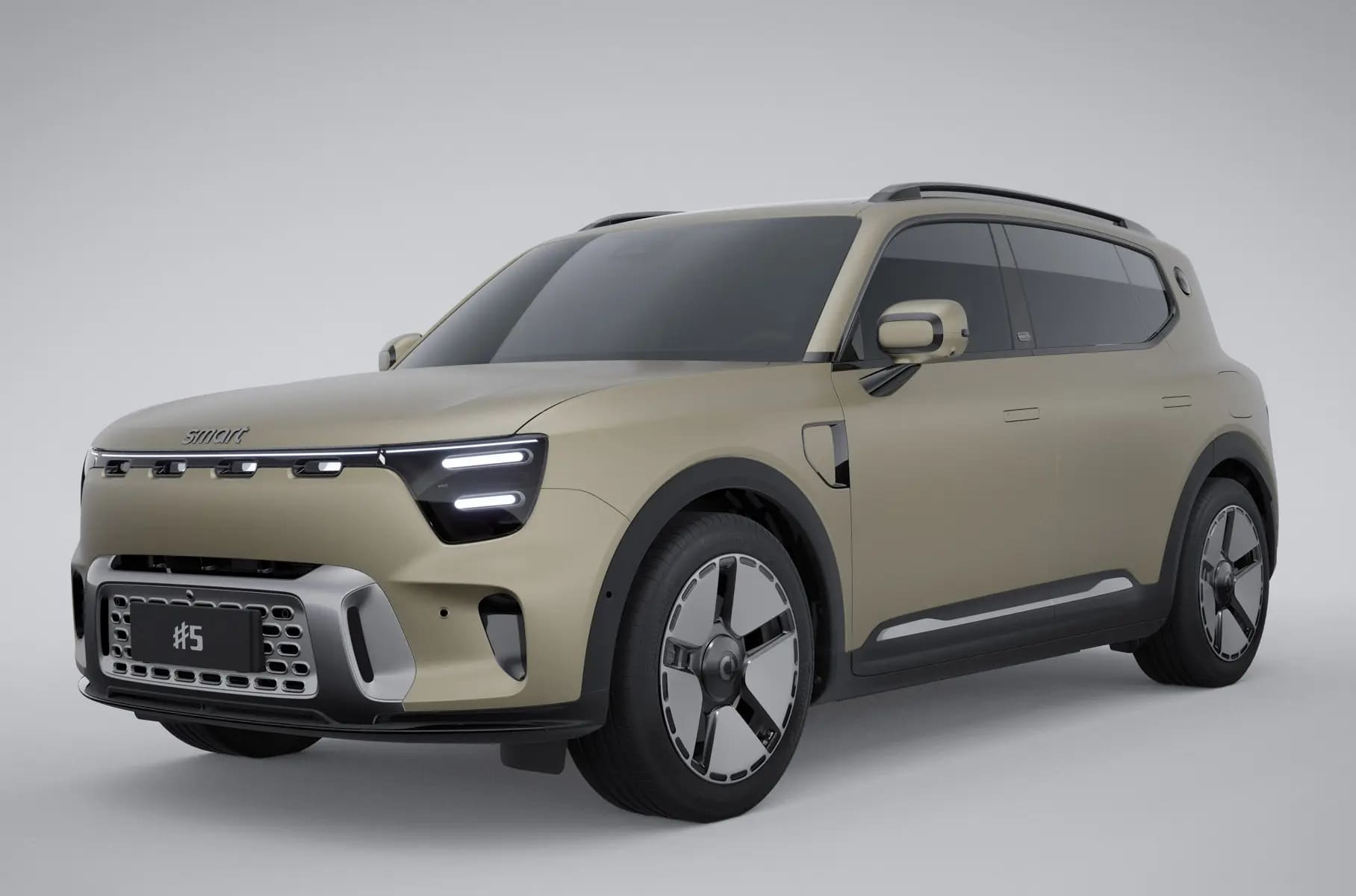
It measures 4.7 meters in length with a 2.9-meter wheelbase. By default, the EV is equipped with a 76 kWh LFP (lithium iron phosphate) battery.
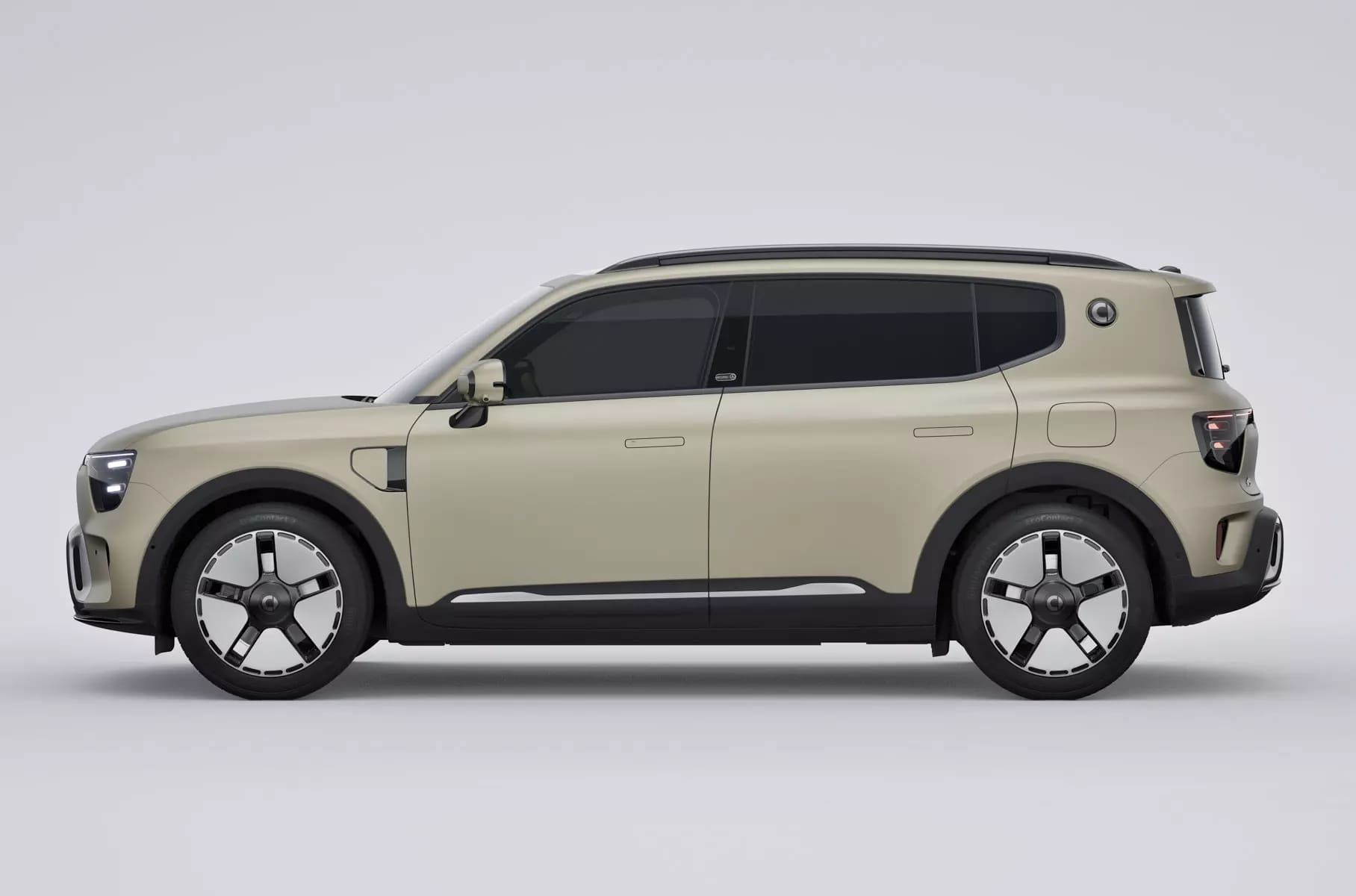
From the Pro+ trim and up, it gets a 100 kWh NMC (nickel manganese cobalt) battery and an 800-volt system instead of the 400-volt architecture in the base model — enabling a range of up to 590 kilometers.
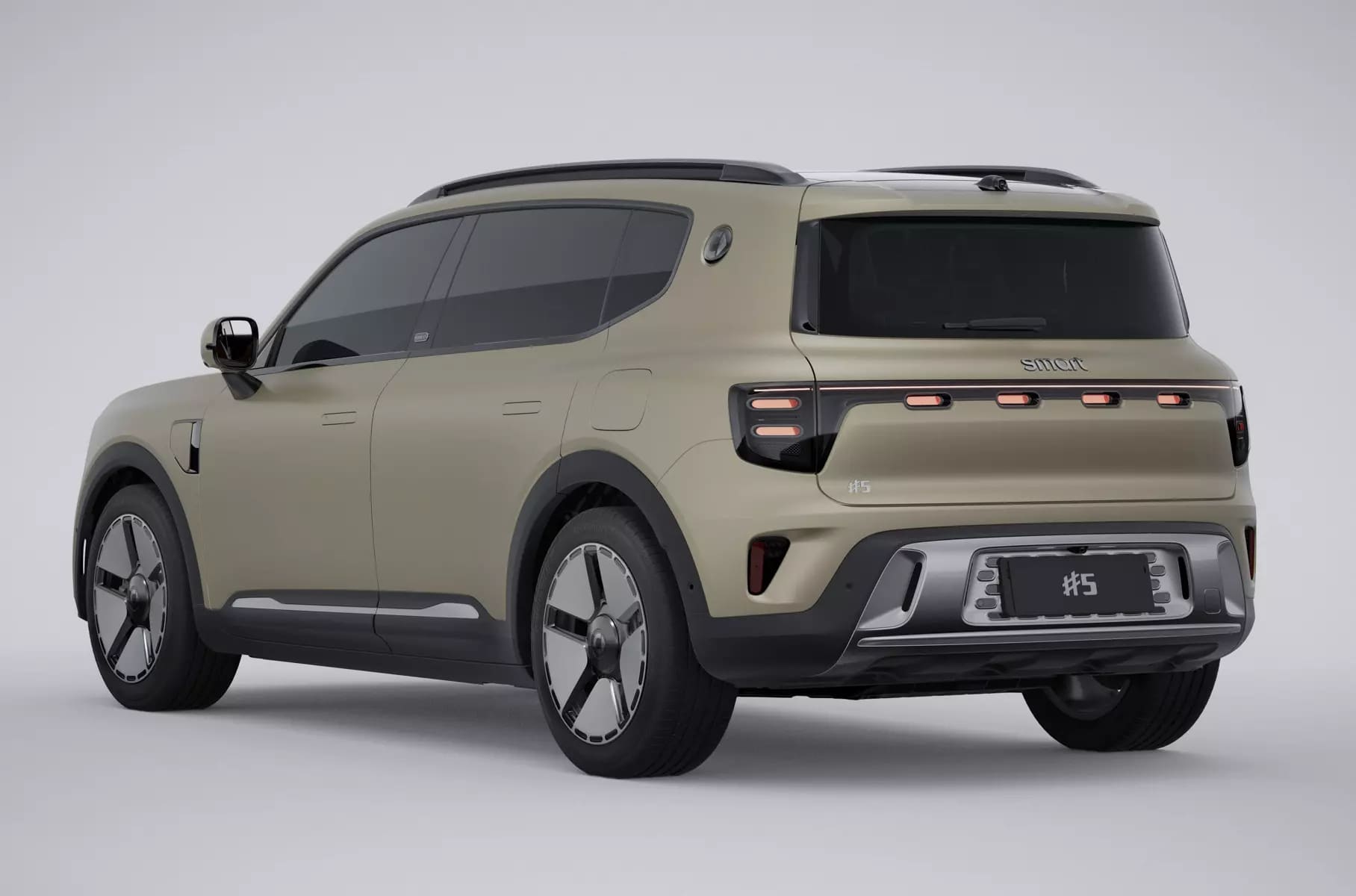
The Pulse version adds dual motors and all-wheel drive, while the Summit Edition includes a unique paint job, an electric tow hitch, roof rack, and a side ladder. This performance-oriented crossover accelerates from 0 to 100 km/h in just 4.9 seconds.
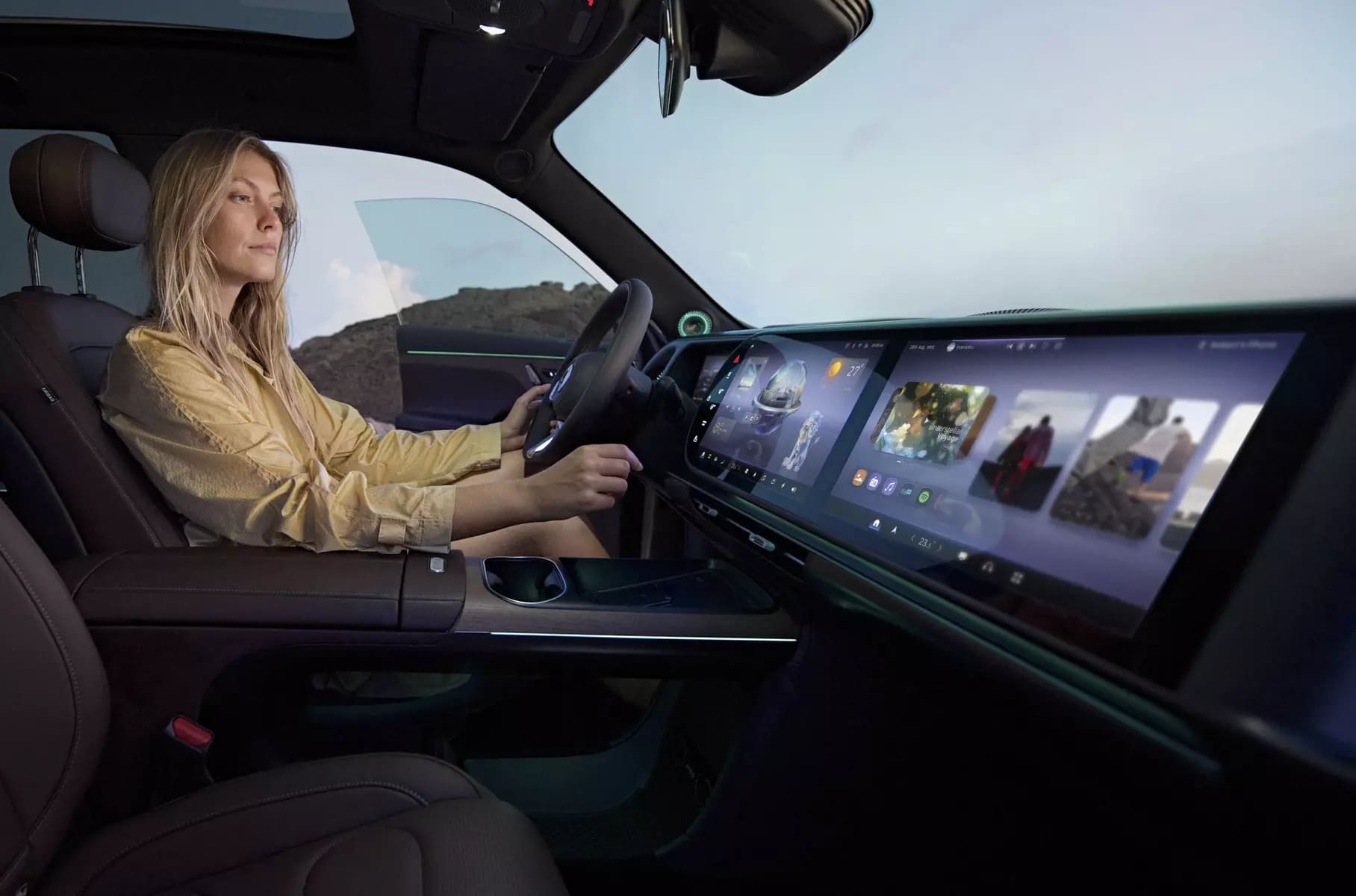
Later, a performance Brabus version was introduced, featuring dual motors with a combined output of 646 horsepower. The only technical update is a special drive mode that simulates the sound of a combustion engine.
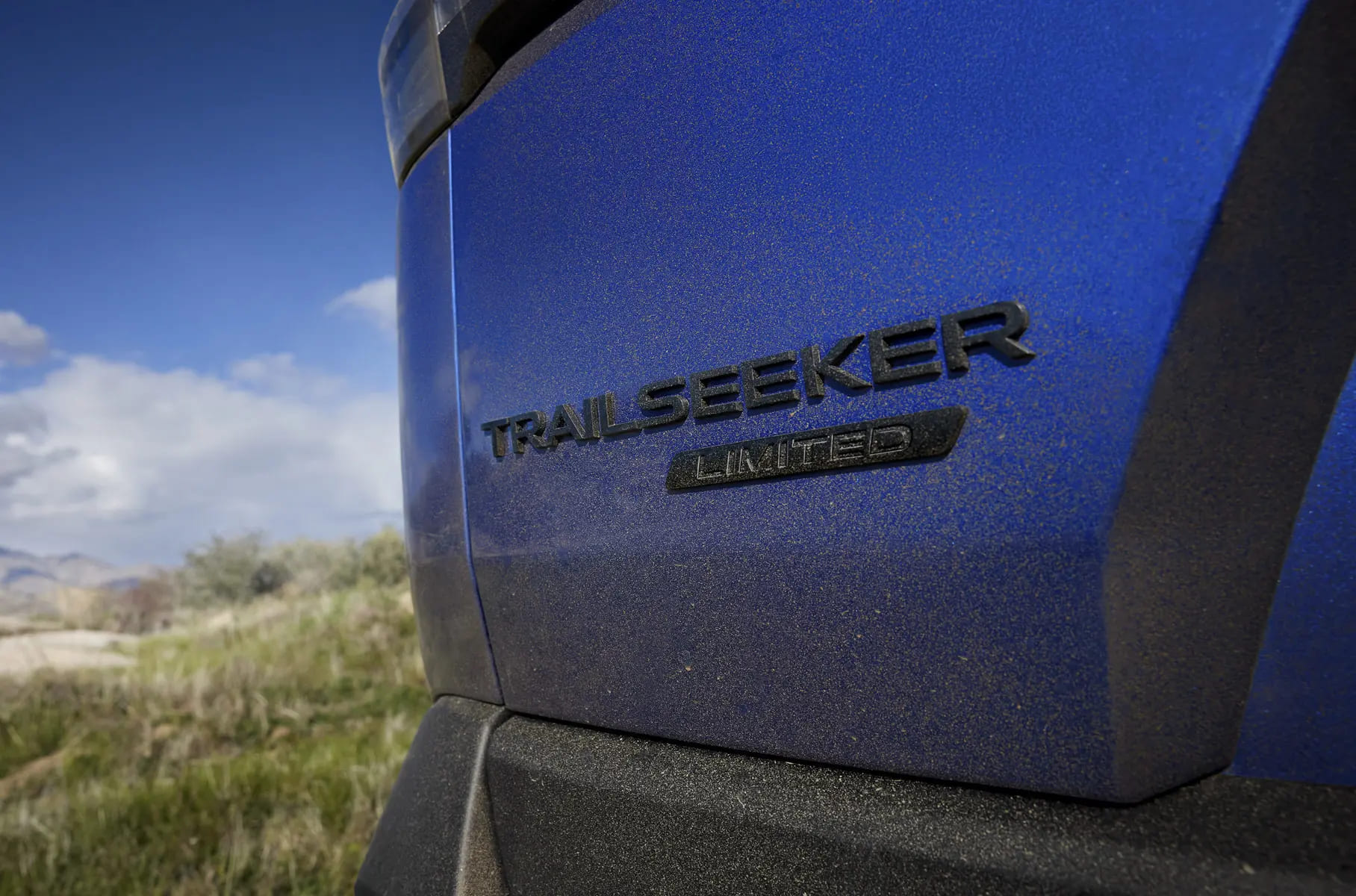
Subaru Trailseeker
This newcomer is a derivative of Subaru’s existing EV, the Solterra. From the front, it looks nearly identical to the original, but the rear is redesigned.
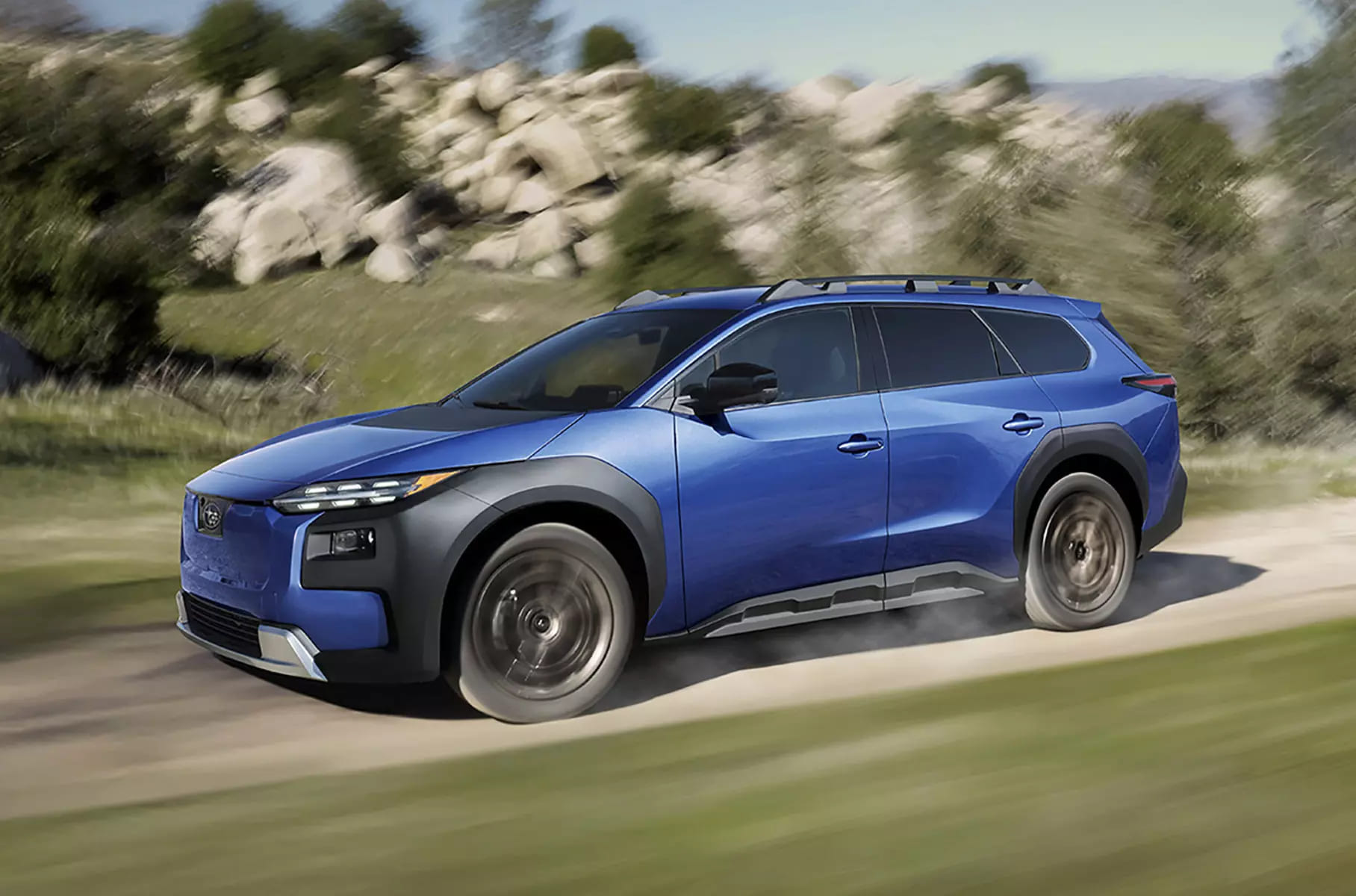
The Trailseeker is over 15 centimeters longer and around 2.5 centimeters taller. It rides on 18- or 20-inch wheels and offers 211 millimeters of ground clearance.
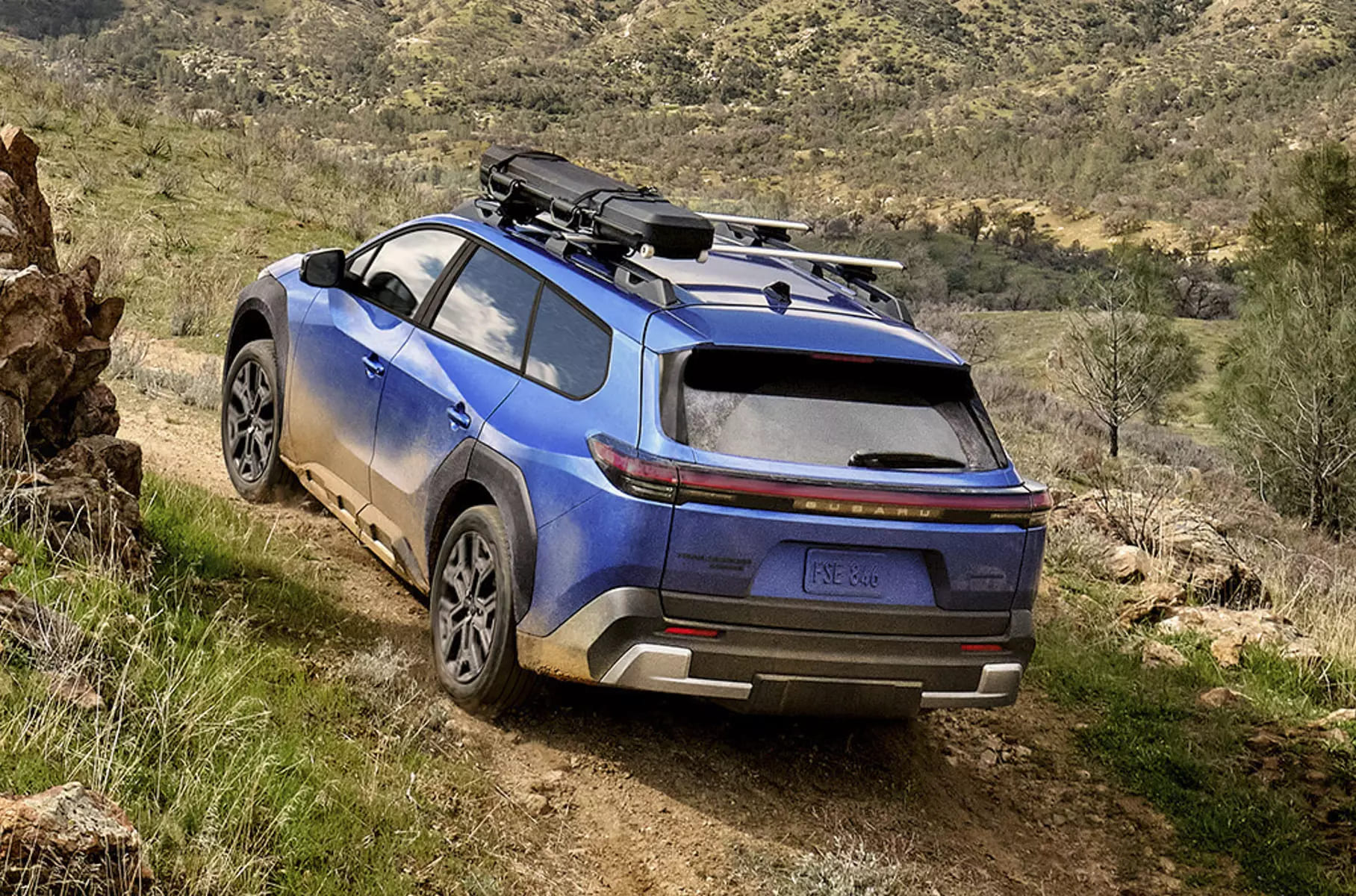
The dual-motor setup delivers a total of 380 horsepower. A 74.7 kWh battery provides a range of 420 kilometers based on the EPA cycle.
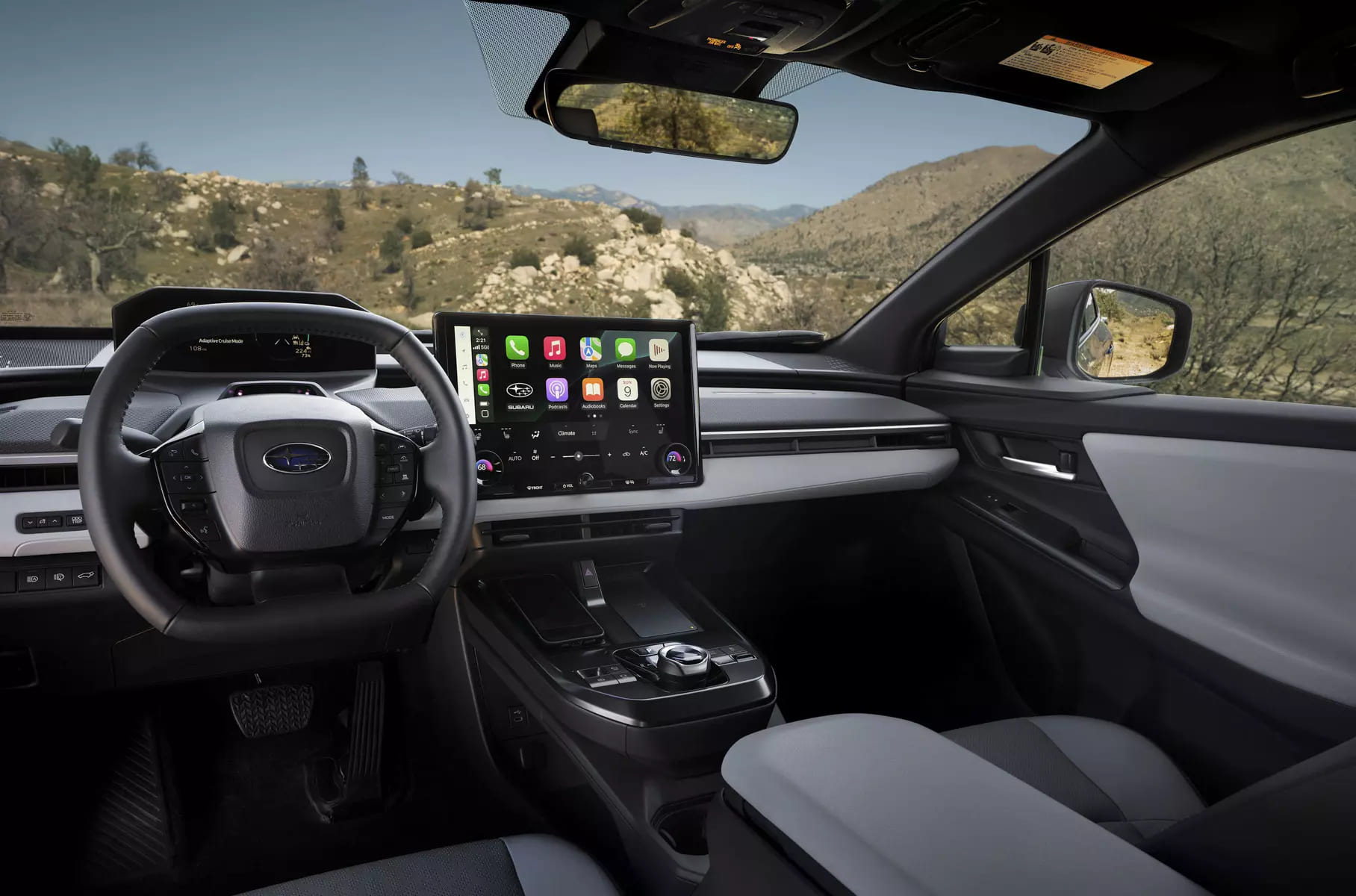
Acceleration to 60 mph (96.6 km/h) takes just 4.4 seconds. Sales in the U.S. market are set to begin next year.
Volvo ES90
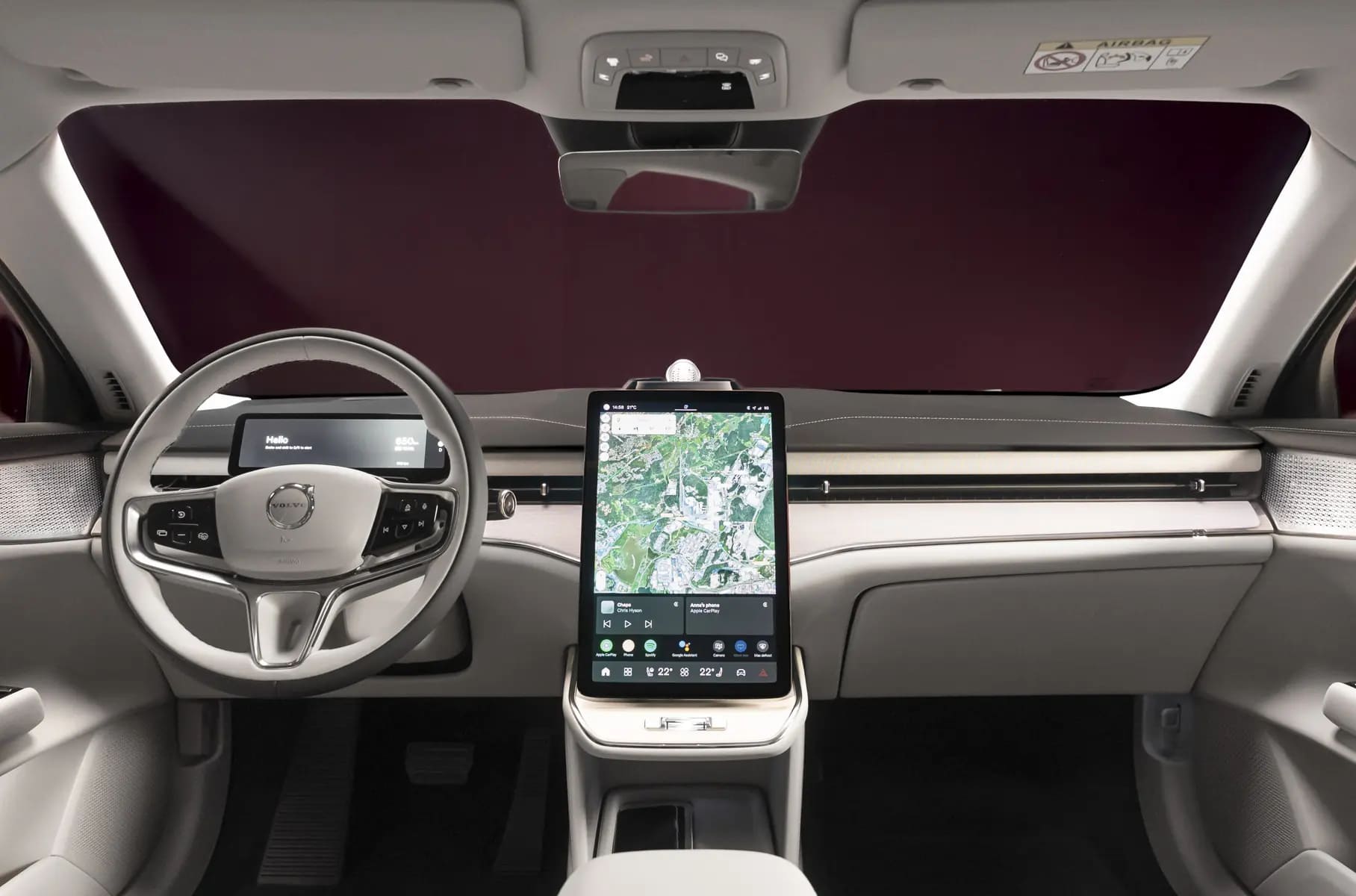
The Swedish liftback comes with a ground clearance of 203 millimeters — more than some SUVs. Thanks to its new 800-volt architecture, it can charge from 10% to 80% in just 20 minutes or gain 300 kilometers of range in 10 minutes.
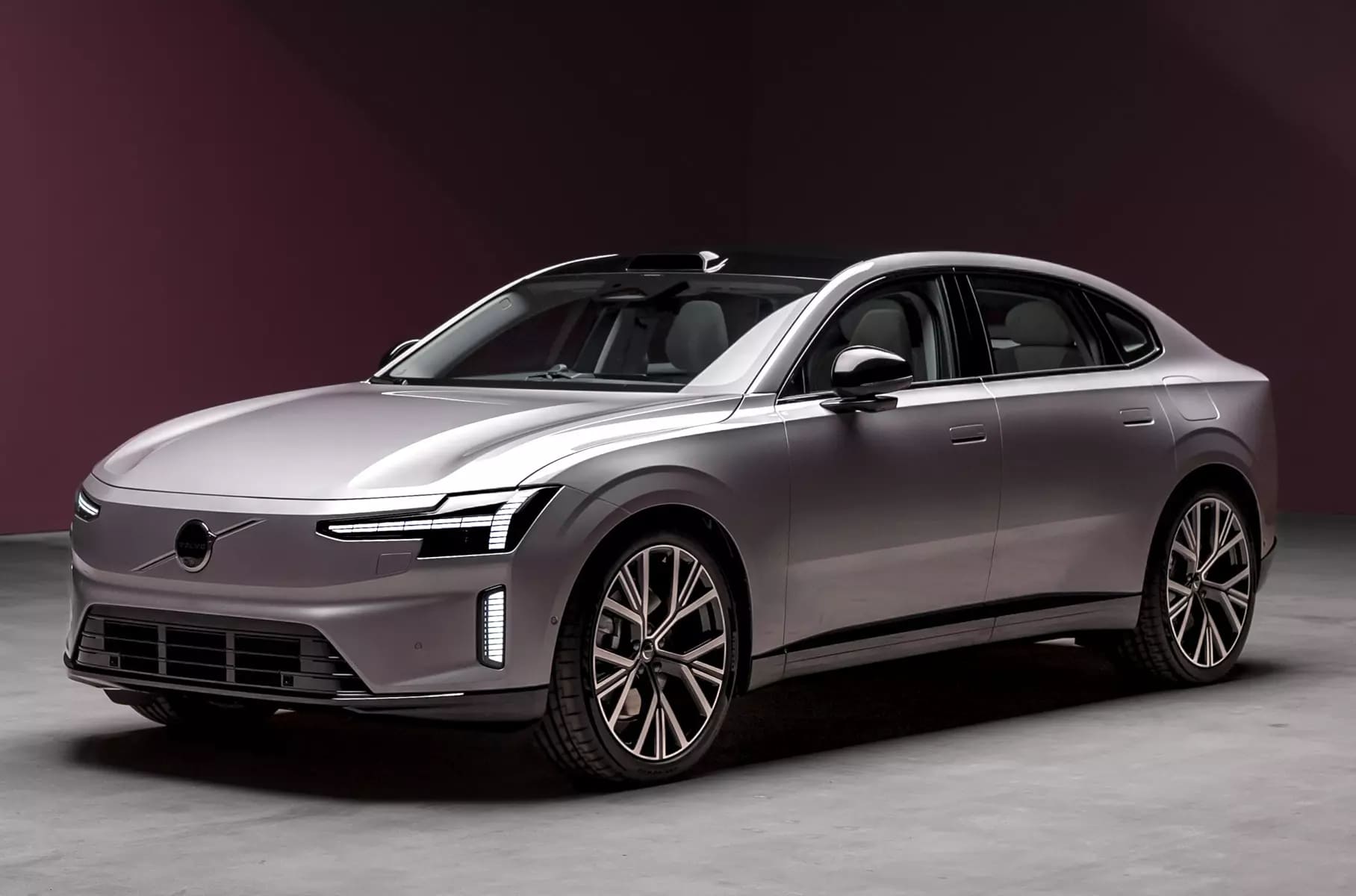
The base version features a single motor (333 hp, 480 Nm) and a 92 kWh battery, offering a range of up to 645 kilometers.
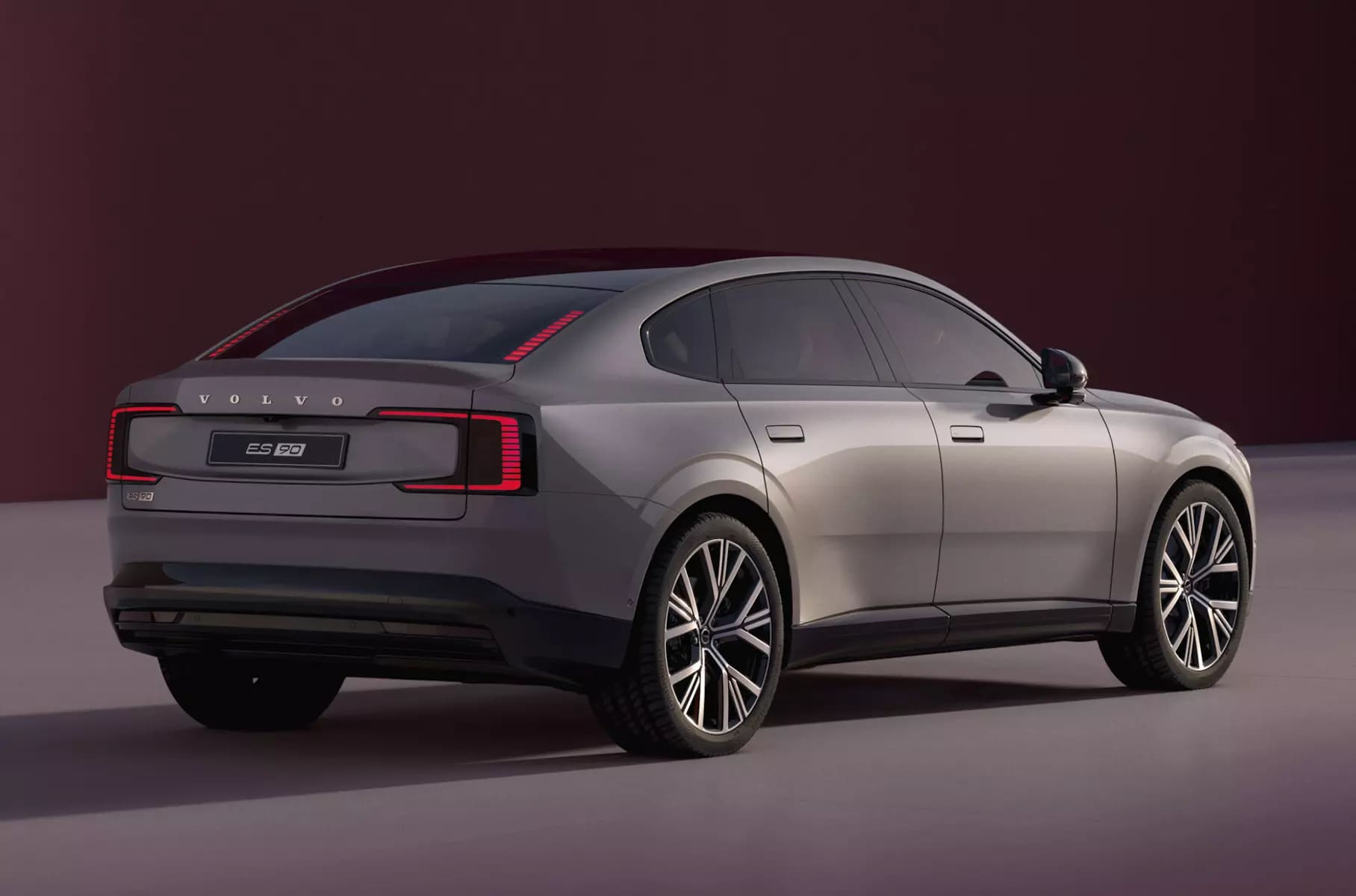
The Twin Motor Performance version has dual motors producing 680 hp and 870 Nm, accelerating to 100 km/h in 4 seconds. Pre-orders have already started in some countries.
KIA EV4
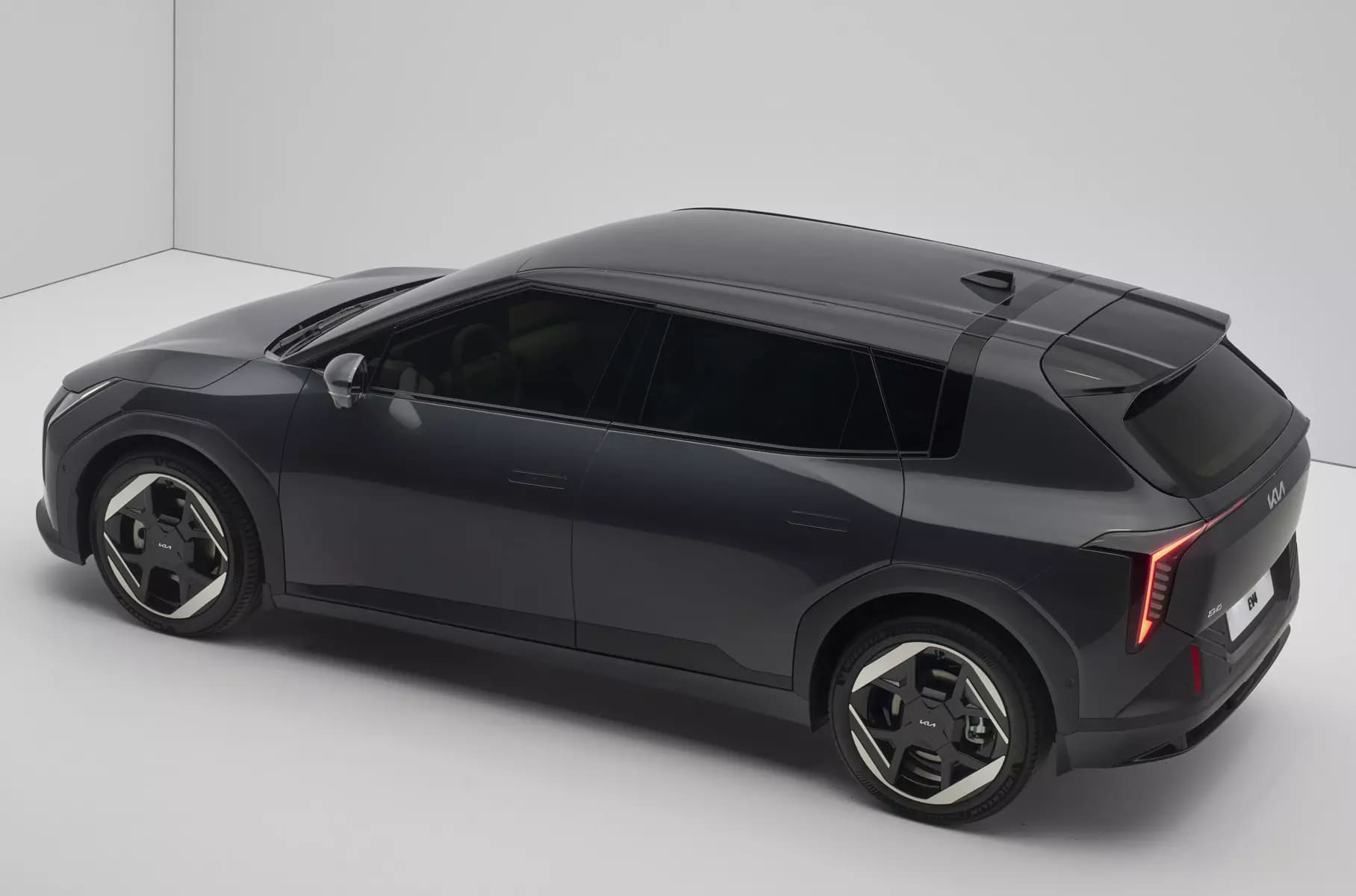
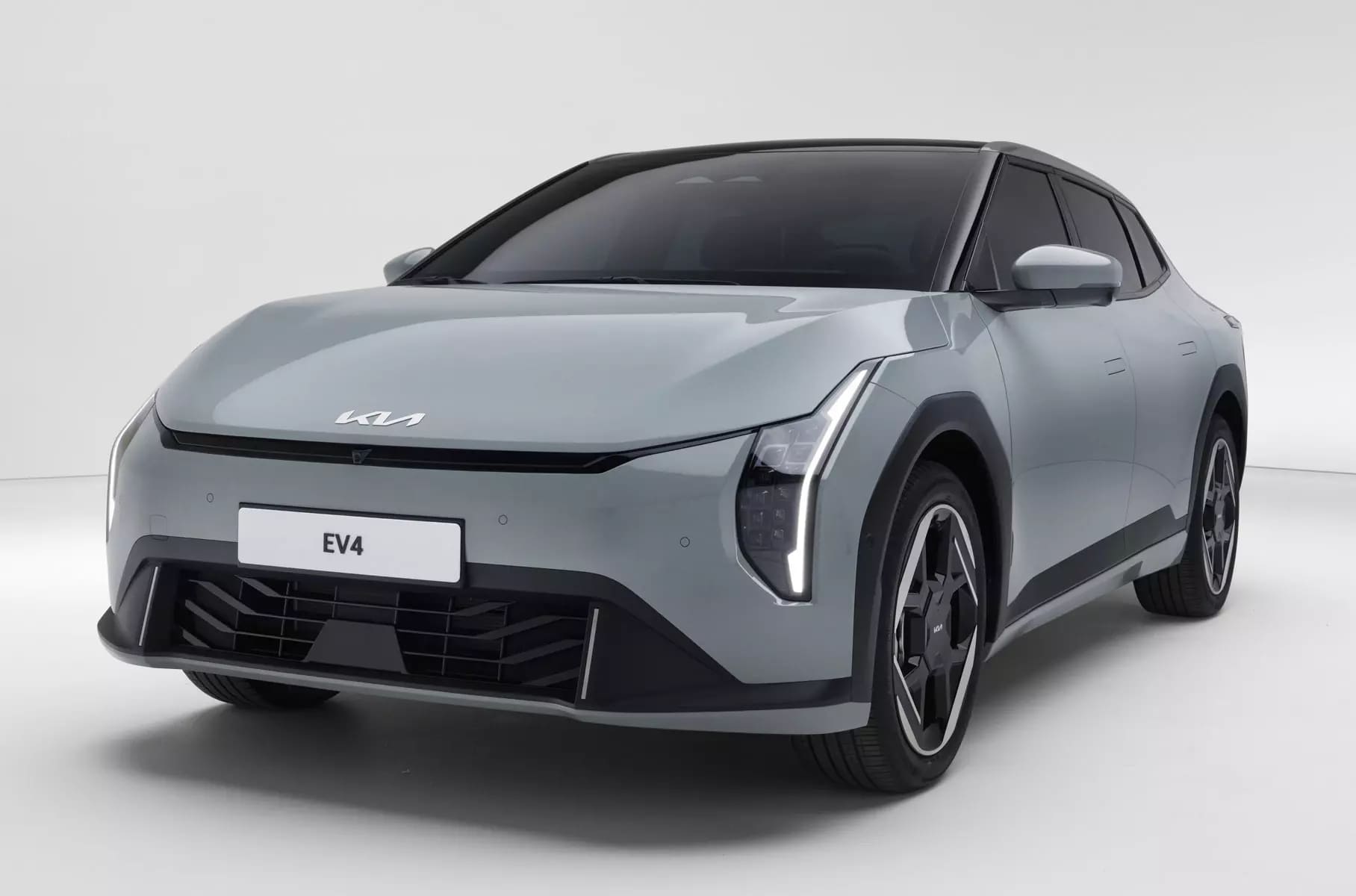
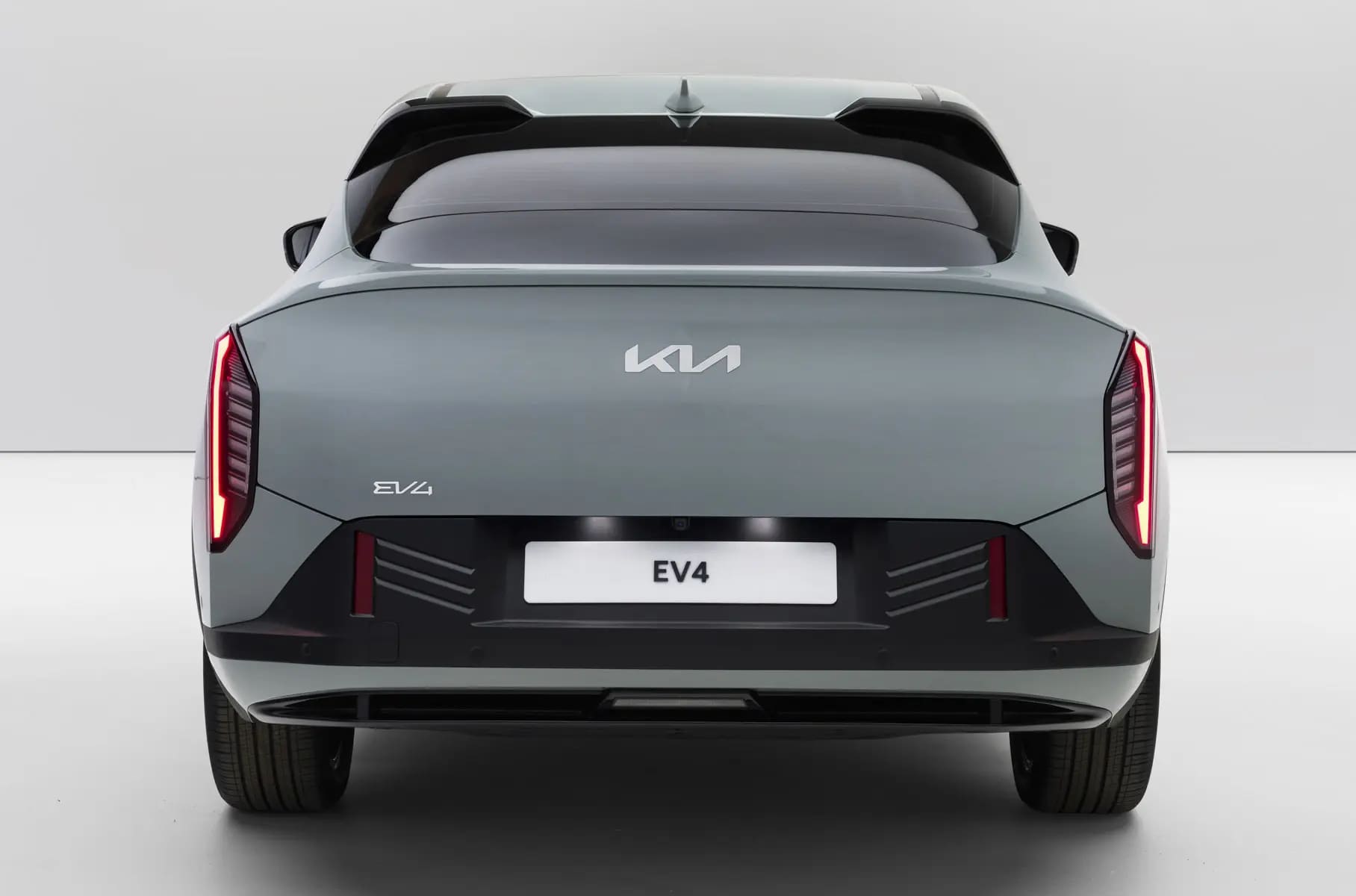
This Korean newcomer debuted in two body styles: a 4.4-meter hatchback and a 4.7-meter sedan, both built on the E-GMP skateboard platform. They feature a 400-volt electric system, McPherson struts up front, and a multi-link rear suspension. The wheelbase is 2820 mm.
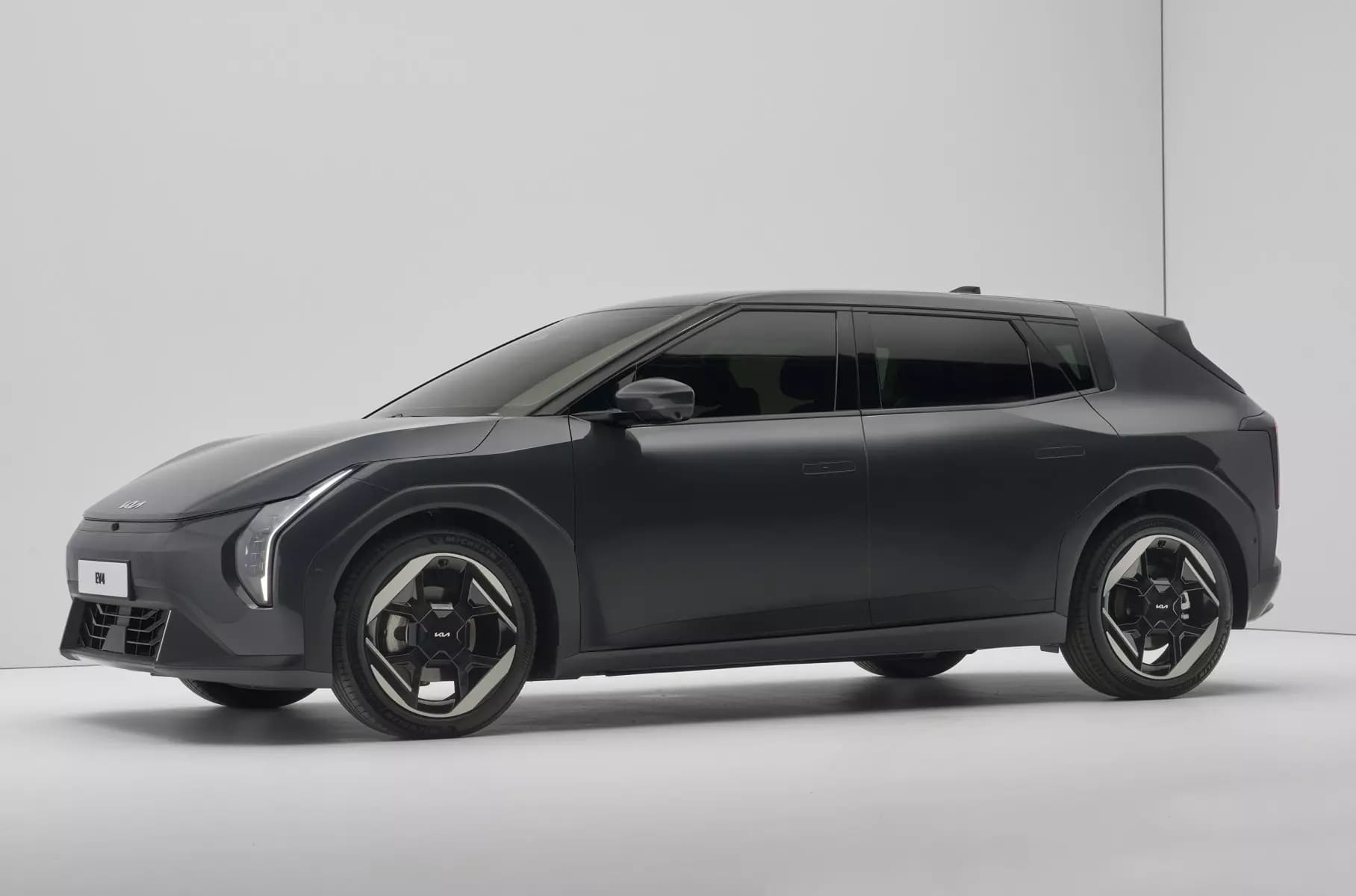
The top GT-Line version rolls on 19-inch wheels, while more basic variants skip the sporty body kit and come with 17-inch rims. All variants are front-wheel drive and use a 204-horsepower electric motor.
The entry-level version includes a 58.3 kWh battery, providing a WLTP range of 410–430 kilometers, depending on the body type. An optional 81.4 kWh battery boosts the range to 590–630 kilometers.
Production began in South Korea in mid-March. The European-market hatchbacks will be built in Slovakia, and North America will receive models by the end of the year.
DS N°8
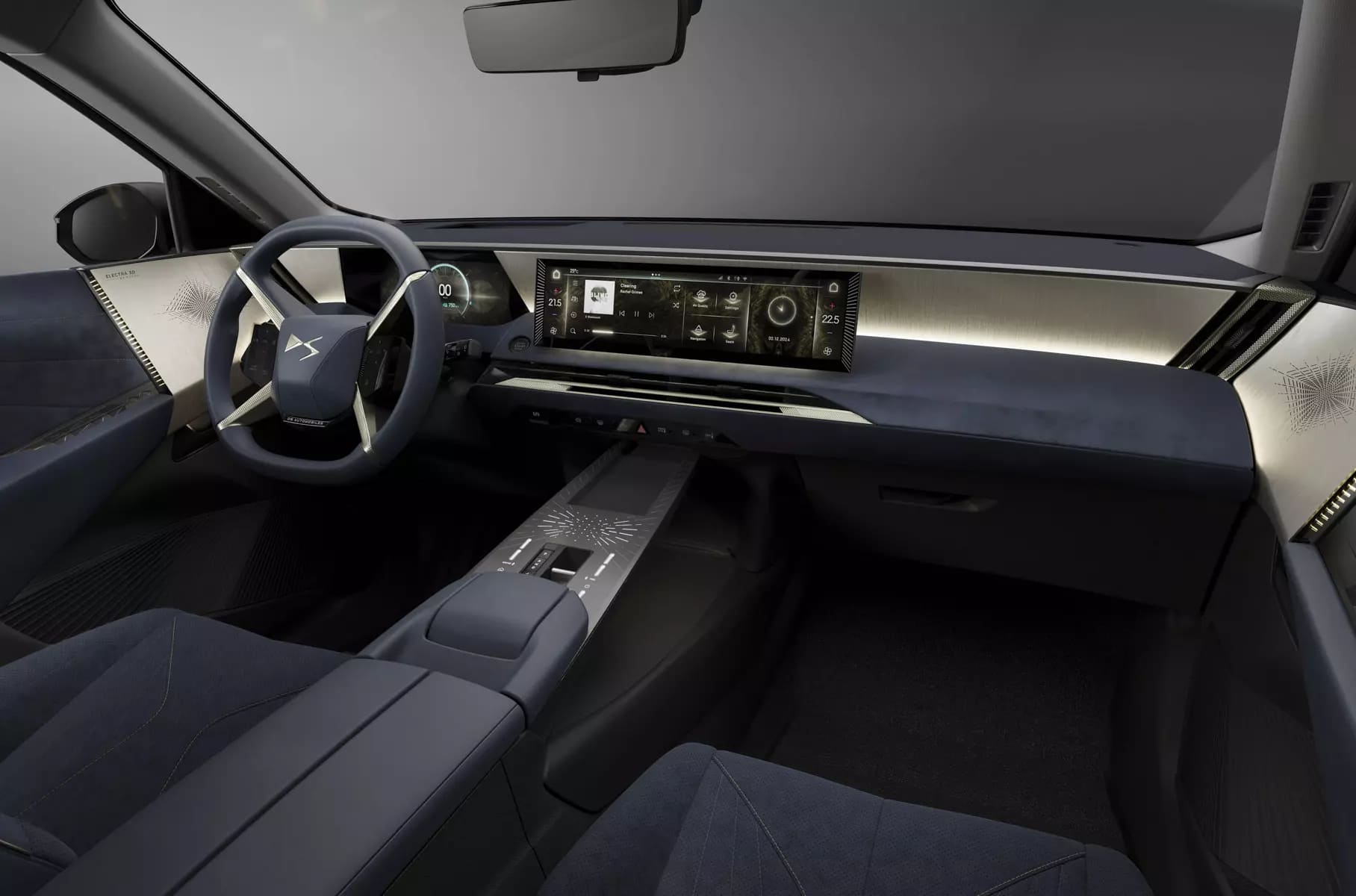
The French premium brand DS has launched its flagship electric crossover. It comes in three versions — FWD, FWD Long Range, and AWD Long Range — offering 230, 245, and 350 hp respectively (with temporary Boost mode increasing power to 260, 280, and 375 hp).
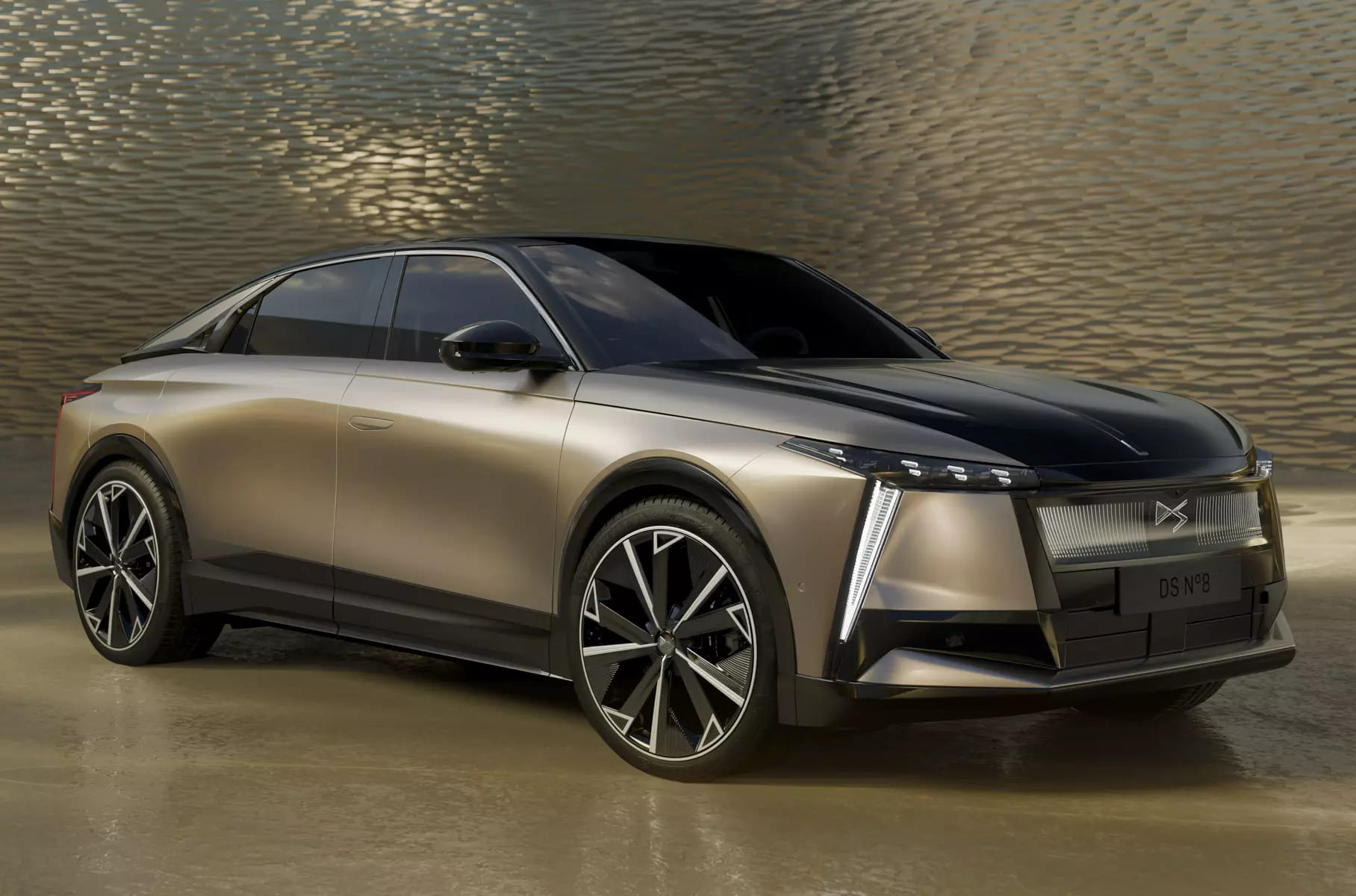
The first two trims are front-wheel drive, while the third features dual motors and all-wheel drive. The AWD version hits 100 km/h in 5.4 seconds, while the single-motor models take 7.7 and 7.8 seconds. All versions use NMC batteries made in France.
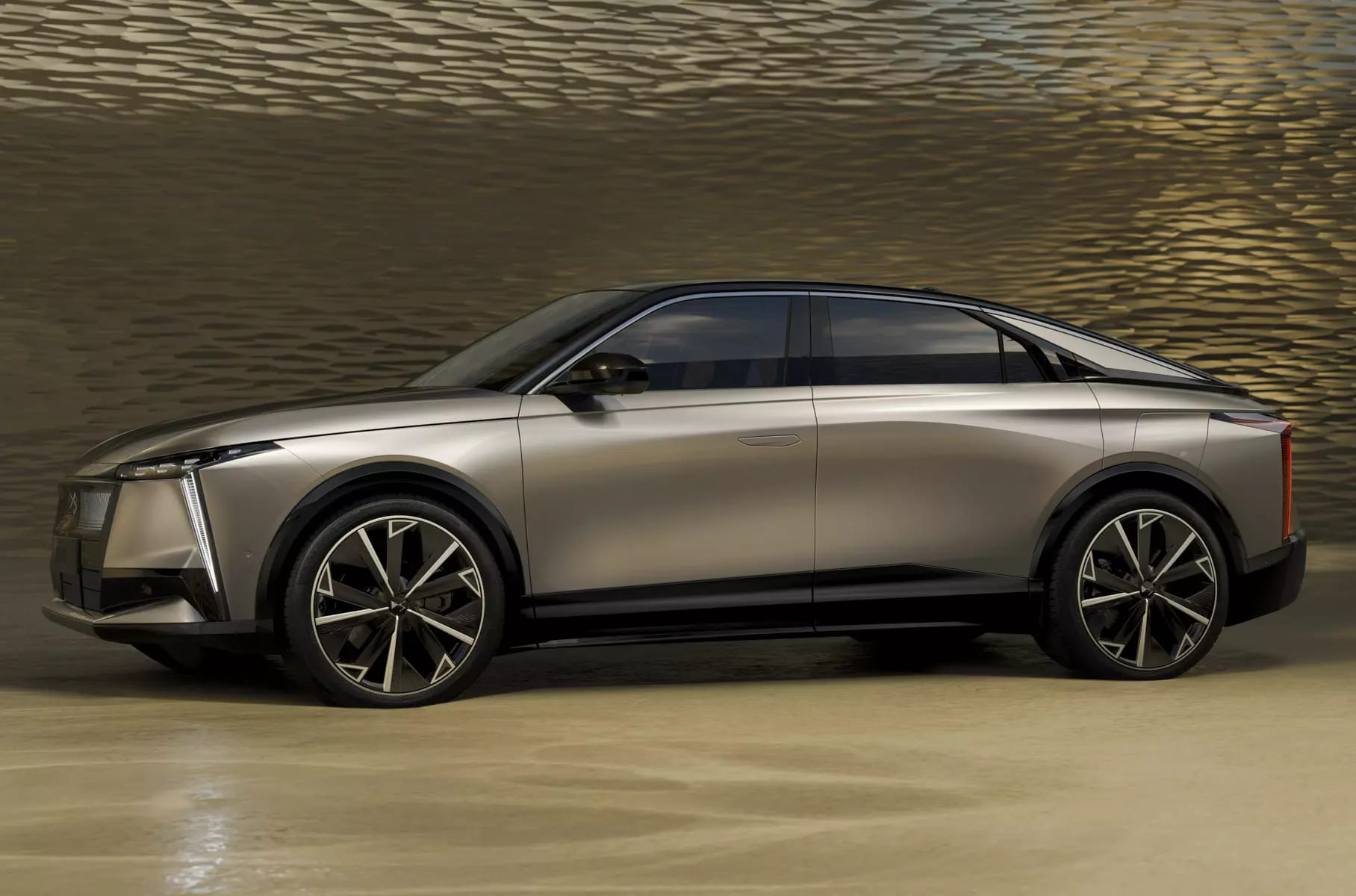
The base battery capacity is 74 kWh, while the Long Range gets a 97.2 kWh pack. The most efficient version — the FWD Long Range — can drive up to 750 km WLTP in mixed use, and up to 909 km in urban conditions.
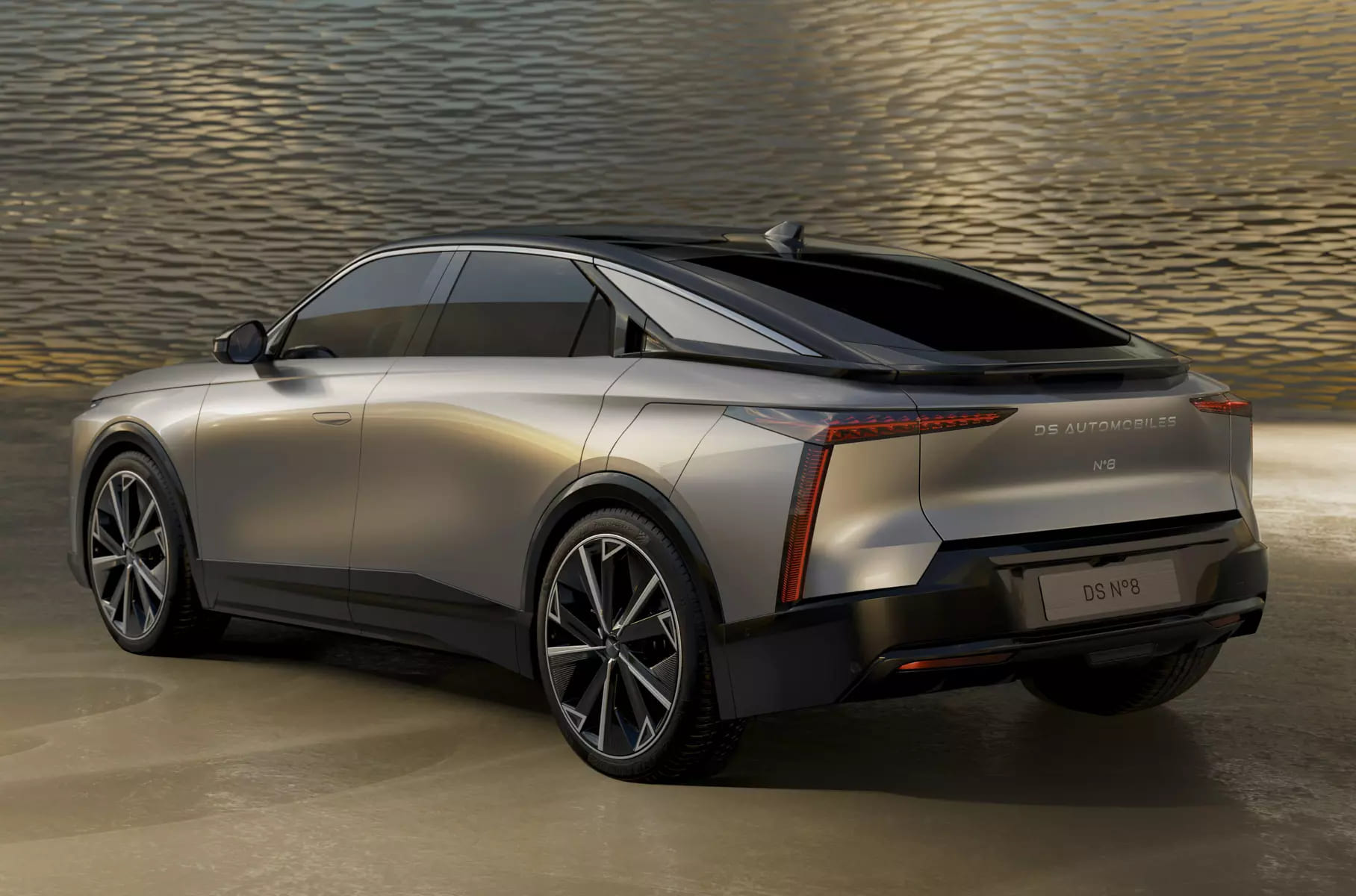
The FWD and AWD Long Range versions offer ranges of 550 and 688 kilometers, respectively. Fast charging supports up to 160 kW. In 27 minutes, you can go from 20% to 80%, and 10 minutes adds roughly 200 kilometers of range.