


EV Charging Summit & Expo 2026, held March 17–19 in Las Vegas, reflected a decisive shift in how the industry defines success.
For years, growth in EV charging was measured by deployment. More stations meant stronger networks. More locations meant better coverage. That logic is now being challenged.
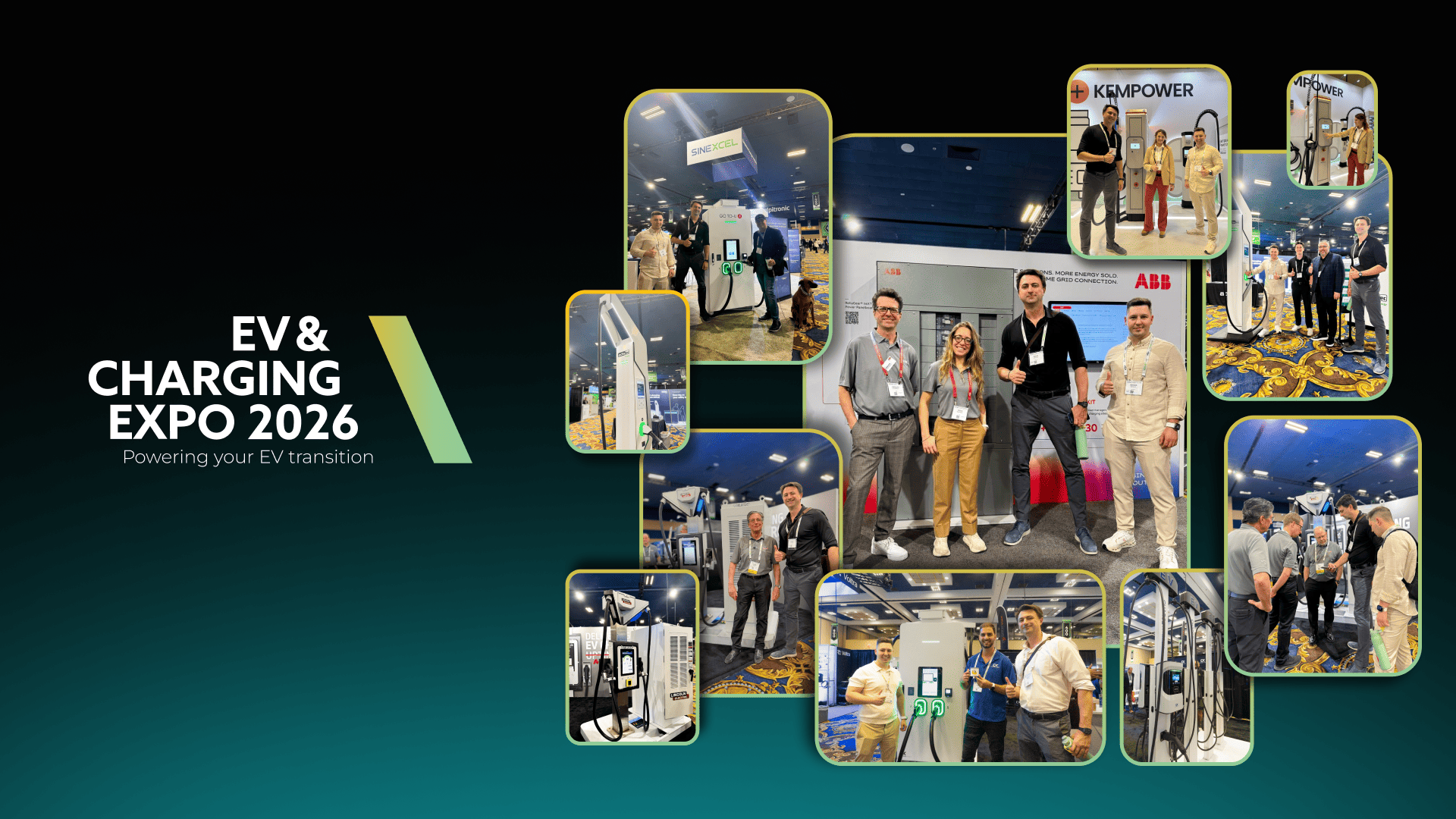
What matters today is not how many chargers are installed, but how they perform. The conversation has moved toward utilization, demand distribution, and the ability to generate consistent, predictable financial outcomes for operators.
GO TO-U was on the ground at EVCS 2026 during this transition. The discussions were no longer theoretical. Operators, manufacturers, and investors are now focused on execution: how to increase utilization, how to manage demand, and how to turn infrastructure into a stable, revenue-generating system.
Scaling Without Efficiency Is the Core Constraint
One of the clearest signals from EVCS was that deployment alone does not create a viable business.
Adding new locations does not guarantee driver traffic. It does not ensure consistent usage. And it does not produce predictable revenue.
This has become a structural issue across the market. Many networks have expanded rapidly, yet continue to operate below their potential. Stations remain underutilized during off-peak hours and overloaded during peak periods. The result is inconsistent revenue and a fragmented driver experience.
The industry is now confronting a fundamental reality: scale without efficiency does not work.
What Defines Success Today: Utilization and Predictability
The economics of EV charging are increasingly defined by two variables: how consistently stations are used and how predictable that usage is over time.
High-power equipment alone does not guarantee returns. Location alone is not enough. Demand, if left unmanaged, remains volatile.
Operators are now looking for ways to smooth demand curves, reduce idle time, and avoid peak-time congestion that drives drivers away. The goal is to transform charging from a reactive service into a structured, controllable system.
This shift is redefining how infrastructure is evaluated. Performance is no longer measured by installed capacity, but by how effectively that capacity is utilized.
EV Charging 2.0: From Access to Orchestration
At GO TO-U, we define this transition as EV Charging 2.0.
The industry is moving beyond a first-come, first-served model toward a system where charging demand is planned, distributed, and managed.
The traditional approach was simple. A driver arrives, finds an available station, and starts charging. That model creates uncertainty, inefficiency, and uneven load distribution.
EV Charging 2.0 introduces a different paradigm. Charging infrastructure is treated as an operational system, not just a collection of locations. Demand is not left to chance. It is shaped, scheduled, and optimized.
GO TO-U operates at this system level. The focus is not only on individual charging sessions, but on driver flows, location performance, and overall network efficiency.
Demand Management as a Core Capability
One of the most effective mechanisms to achieve this is reservation-based charging.
For drivers, reservations provide certainty. They know when and where they will charge. For operators, reservations introduce control. Demand can be distributed across time, reducing congestion and increasing overall utilization.
Instead of reacting to unpredictable spikes, operators can work with demand in advance. Infrastructure begins to function as a managed system where usage is structured rather than chaotic.
This has direct economic implications. Stable utilization leads to more consistent revenue streams. It also improves the driver experience, which in turn reinforces repeat usage.
In this model, profitability is no longer dependent on peak demand alone. It is driven by the ability to maintain steady, optimized usage over time.
Industry Alignment Around Performance
This perspective was consistent across conversations at EVCS 2026.
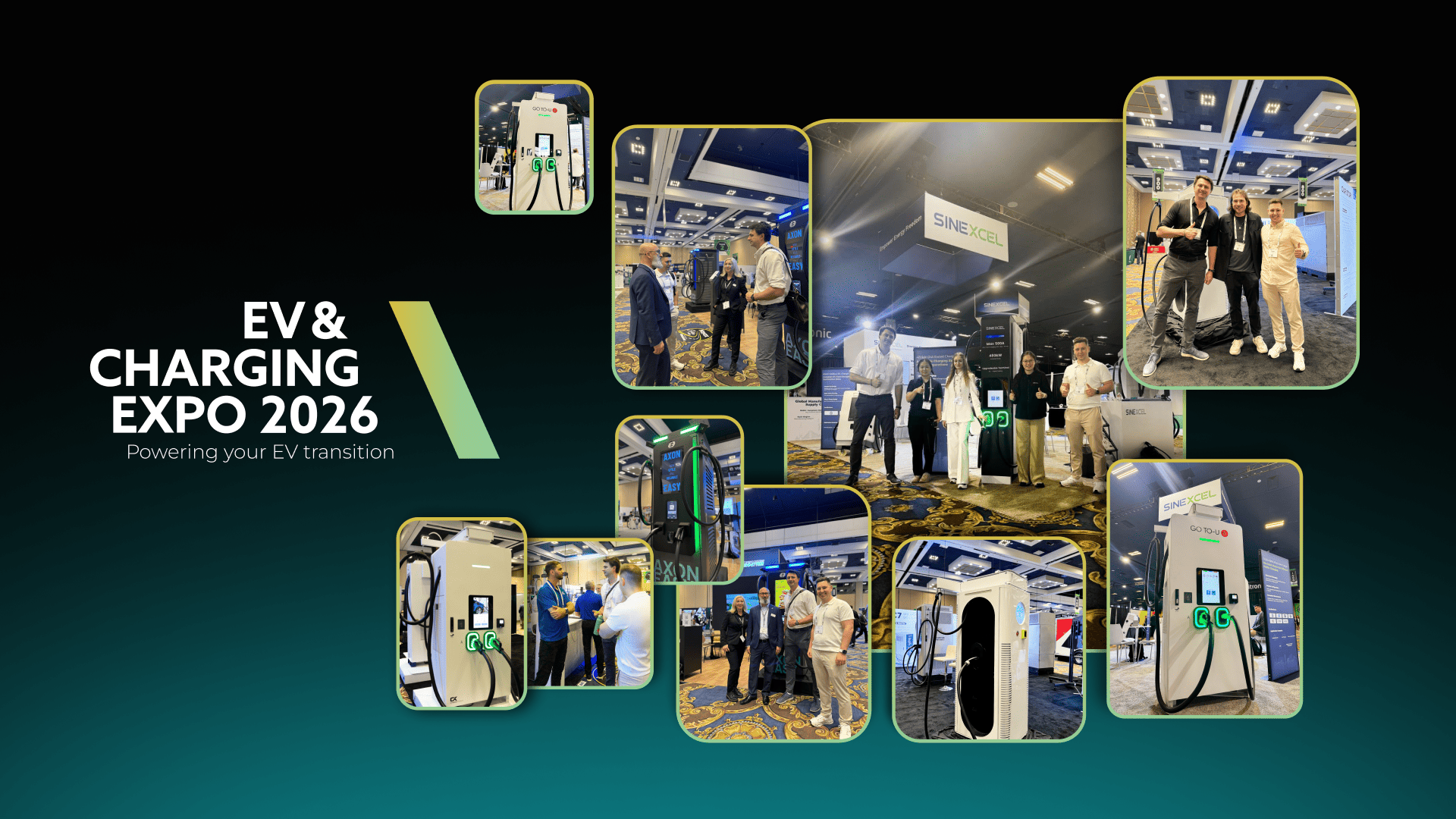
GO TO-U engaged with a broad range of industry players, including ABB E-mobility, SINEXCEL, XCharge North America, Kempower, ADS-TEC Energy, Lincoln Electric, and others across hardware, software, and infrastructure development.
Across these discussions, a consistent theme emerged. The industry is aligning around performance, not just deployment.
The question is no longer how to install more chargers. It is how to make existing infrastructure work better, more efficiently, and more predictably.
Visibility Drives Demand
Another critical factor shaping utilization is visibility.
Through its integration with Eco-Movement, GO TO-U enables charging stations to be discoverable across major navigation platforms such as Google Maps, Waze, and TomTom.
This is not a secondary consideration. For most EV drivers, charging begins on a map. If a station is not visible or its data is outdated, it effectively does not exist at the moment of decision.
Visibility directly influences demand capture.
When combined with reservation capabilities, this creates a powerful system. Drivers can discover a station, evaluate availability, and plan their stop in advance. For operators, this translates into higher conversion from visibility to actual charging sessions.
Infrastructure becomes more than a point on a map. It becomes an integrated part of the driver journey.
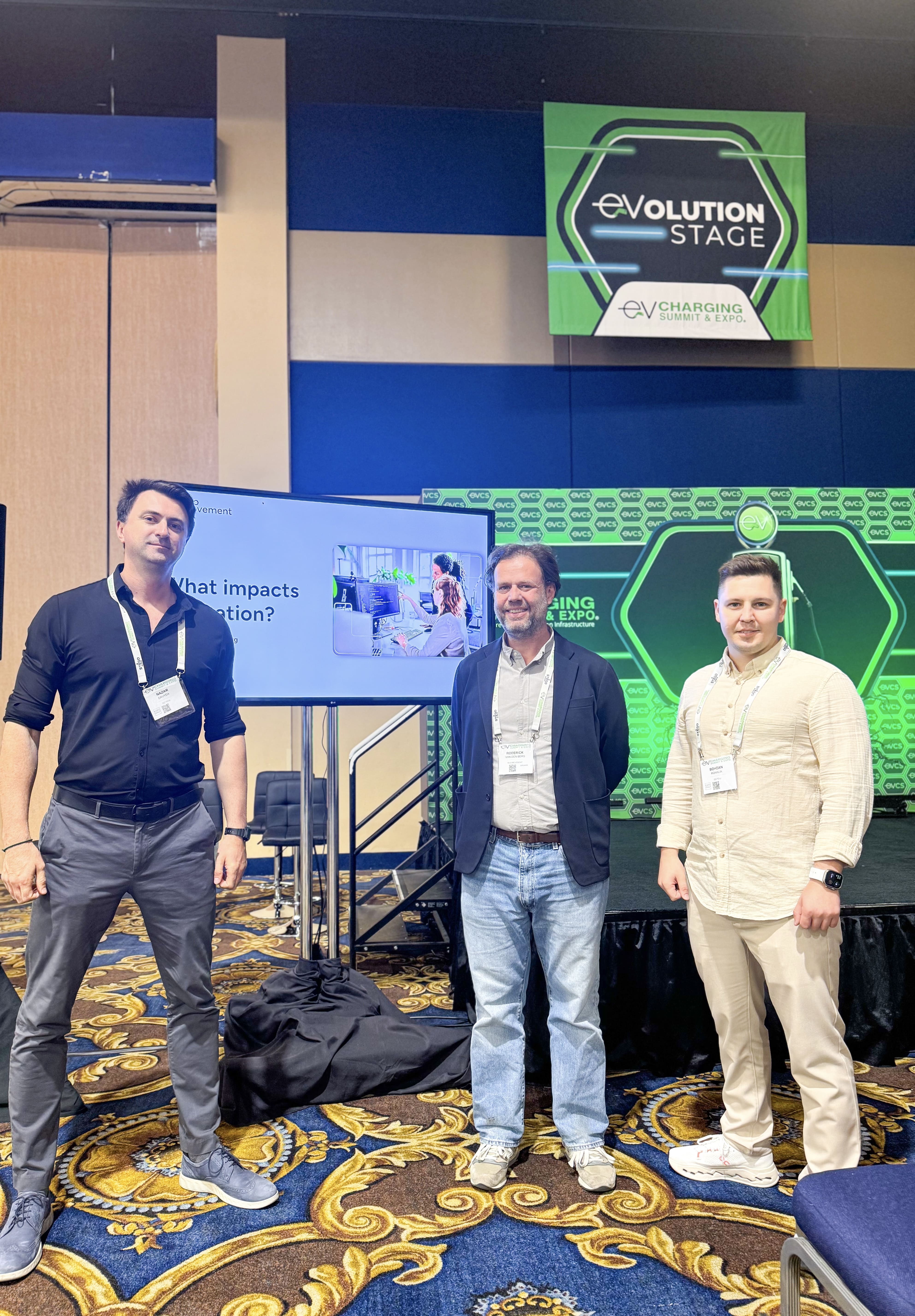
From Installed Assets to Managed Systems
EVCS 2026 highlighted a clear direction for the industry.
The next phase of EV charging will not be defined by how quickly networks expand, but by how effectively they operate.
Charging infrastructure is evolving from a set of installed assets into a managed system. One where demand is structured, utilization is optimized, and revenue becomes more predictable.
This is the foundation of EV Charging 2.0.
GO TO-U is aligned with this shift. The focus is not on adding complexity, but on introducing control where the market has historically operated without it.
As the industry matures, the ability to manage demand, rather than simply serve it, will define which networks succeed.