


Welcome to a world where electric vehicles (EVs) are rapidly becoming a common sight on our roads. As this transition accelerates, a crucial component of this ecosystem is the Charge Point Operator (CPO). In simple terms, a CPO is an entity that operates EV charging stations, providing the necessary infrastructure for EV users to recharge their vehicles. With the global EV charging infrastructure market expected to grow at a compound annual growth rate of 25.4% from 2024 to 2030, the role of CPOs is becoming increasingly significant.
Understanding the Concept of a Charge Point Operator (CPO EV)
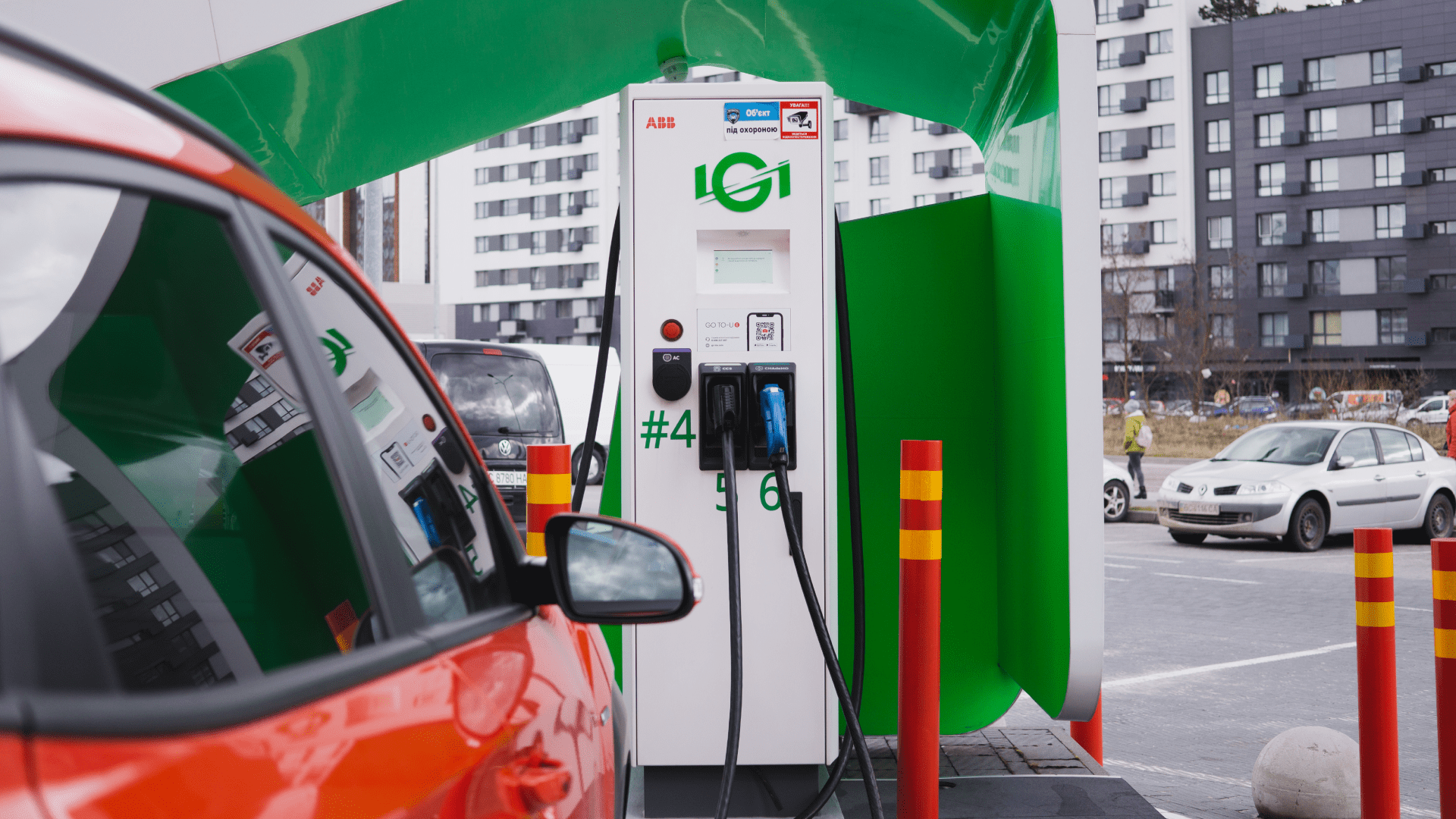
A Charge Point Operator (CPO) is a critical player in the EV charging ecosystem. They are primarily responsible for operating public or private charging stations where EV drivers can charge their vehicles. CPOs manage the day-to-day operations of these charging stations, including maintenance, customer service, and pricing.
CPOs play a crucial role in facilitating the transition to electric mobility, often referred to as "e-mobility". They ensure that EV drivers have access to reliable, convenient, and efficient charging services, thus supporting the widespread adoption of EVs.
Functions of a Charge Point Operator
The responsibilities of a Charge Point Operator extend beyond merely managing charging stations. Their role is multi-faceted and encompasses several key functions.
Installation and Maintenance
CPOs are responsible for installing and maintaining EV charging stations. This includes ensuring that the charging equipment is in good working condition and meets all necessary safety standards. By providing well-maintained charging infrastructure, CPOs help to reassure EV drivers that they can rely on these services for their charging needs.
Customer Service
As operators of the charging stations, CPOs also provide customer service to EV drivers. This can involve answering queries, resolving issues related to charging, and providing information about the use of the charging stations. Good customer service is crucial in building trust and confidence among EV drivers, encouraging them to continue using the charging services.

Management of Charging Transactions
One of the most critical roles of a CPO is managing the charging transactions. This involves setting the prices for charging, processing payments, and ensuring that the billing process is transparent and straightforward. By effectively managing charging transactions, CPOs can ensure a smooth and hassle-free charging experience for EV drivers.
Optimising the EV Charging Business: Strategies for CPOs
Given the rapid growth of the EV market, CPOs face a significant opportunity to expand and optimise their businesses. Here are a few strategies that can help CPOs make the most of this opportunity.
Expanding Charging Infrastructure
As the number of EVs on the road increases, so does the demand for charging infrastructure. By expanding their network of charging stations, CPOs can attract more customers and generate more revenue.
Leveraging Technology
Technology can play a crucial role in optimising the operations of a CPO. For instance, advanced software can help CPOs manage their charging stations more efficiently, provide better customer service, and streamline the billing process.
Focusing on User Experience
The user experience is a key differentiator in the EV charging market. By providing a seamless and convenient charging experience, CPOs can stand out from the competition and build strong relationships with their customers.
Charge Point Operator vs Charge Point Owner: Understanding the Difference
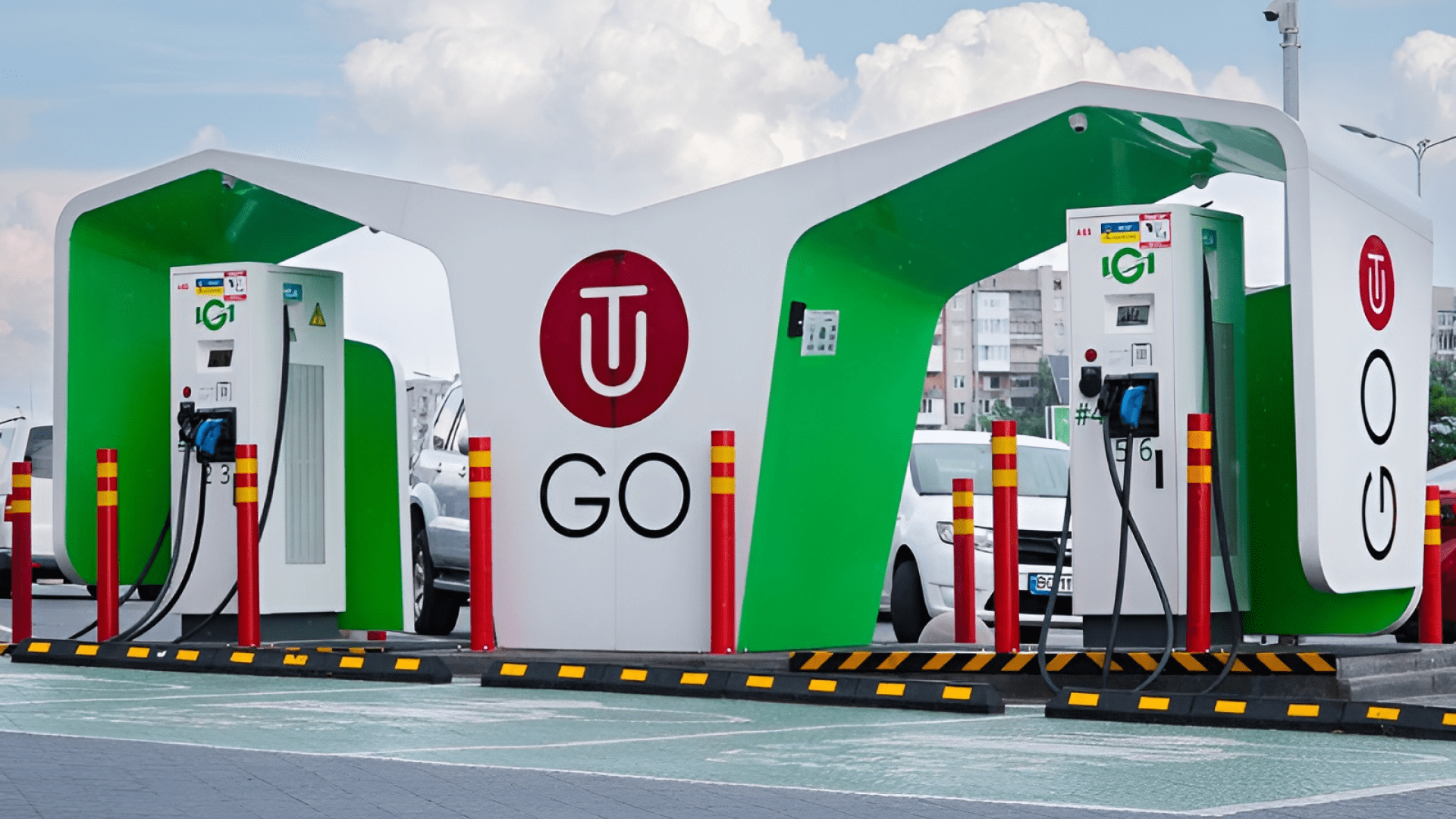
While the terms Charge Point Operator (CPO) and Charge Point Owner (CPO) may sound similar, they represent distinct roles in the EV charging ecosystem. The Charge Point Operator, as already discussed, is responsible for the operation and management of the charging stations. They ensure the stations are functioning correctly, provide customer service, and handle the transactions related to charging.
On the other hand, the Charge Point Owner is the entity that owns the physical charging station. They have invested in the infrastructure and have the ultimate decision-making authority over the charging station, including where it is located and how it is used. While the owner could also be the operator, in many cases, these roles are split. The owner may lease the operation of the stations to a CPO, who then handles the day-to-day management.
This distinction is crucial because it reflects the diverse array of stakeholders involved in the EV charging ecosystem. From the companies that manufacture the charging equipment to the entities that operate the charging stations and the owners of the physical infrastructure, each has a unique role to play in supporting the growth of e-mobility.
Conclusion
Charge Point Operators hold a pivotal role in the expanding universe of electric vehicles. By managing and operating the charging infrastructure, they not only facilitate the use of EVs but also contribute to the broader goal of sustainable and clean transportation.
As the EV market continues to grow, the role of CPOs will become increasingly significant. By focusing on expanding their charging infrastructure, leveraging technology, and enhancing the user experience. They stand as testament that with innovation and a customer-centric approach, CPOs can play a vital part in transforming our transportation landscape towards a greener future.