


As the global demand for electric vehicles (EVs) escalates, the need for efficient and widely accessible EV charging stations becomes increasingly crucial. Establishing a business in this burgeoning sector requires an in-depth understanding of the EV charging station business model to align with market needs and operational capabilities effectively. This comprehensive article aims to equip entrepreneurs with critical insights to successfully initiate their ventures in this dynamic industry.
Understanding the EV Charging Station Business Model
Market Analysis and Location Selection
Launching an EV charging station business begins with thorough market research to assess demand, identify strategic locations, and determine the types of chargers that will attract the most customers. Optimal locations typically include high-traffic areas such as shopping centers, hotels, and commercial districts, which help ensure that the stations are frequently used, thereby accelerating the return on investment.
Types of EV Charger Business Models
The EV charger business model can generally be categorized into the following singular, comprehensive category:
- Direct Ownership: Businesses purchase and install EV chargers and manage operations and pricing autonomously. This model affords complete control over the charging infrastructure, pricing strategy, and customer interaction.
- Partnership Ownership: In this collaborative model, businesses team up with other entities (e.g., shopping malls or restaurants) to share the installation costs and profits. The partnership terms might include additional payments per kWh used or a percentage of the net revenue, creating a mutually beneficial relationship and diversifying financial risk.
Selecting the Right Type of Chargers
Choosing the appropriate chargers is crucial for meeting site-specific and customer needs effectively:
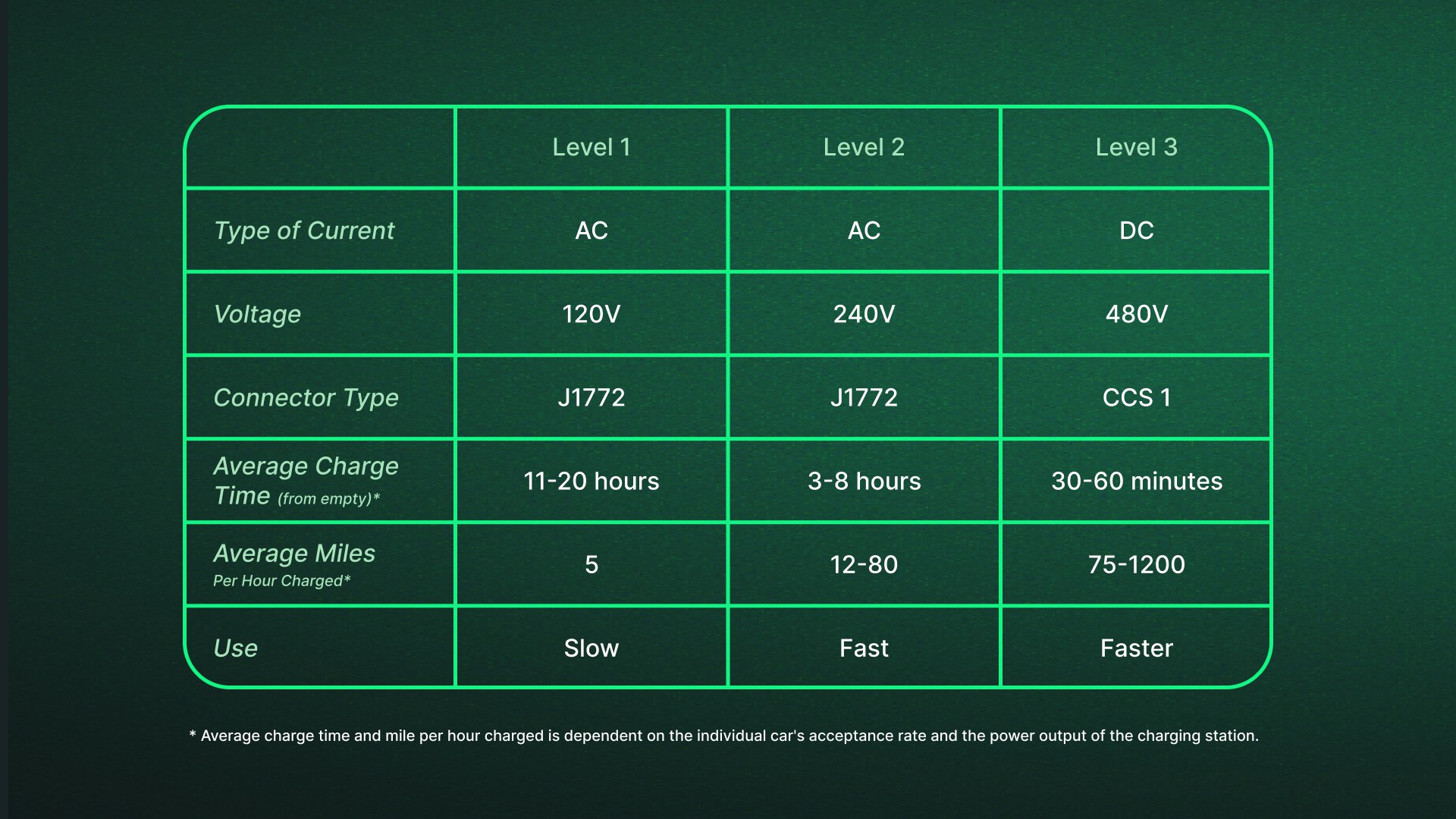
- Level 1 Chargers: These are ideal for long-duration parking, typically over eleven hours, making them perfect for home installations where vehicles are parked overnight.
- Level 2 Chargers: These chargers provide a faster charging solution suitable for places where cars park temporarily, such as shopping centers, business centers, residences, or hotels.
- Level 3 Chargers (DC Fast Chargers): Best for quick refueling stops at locations like gas stations, where drivers need to get back on the road promptly.
Investing in the right types of chargers considering the location and anticipated customer usage patterns is crucial for maximizing profitability.
Profitability and Management
Utilization Rates and Software Solutions
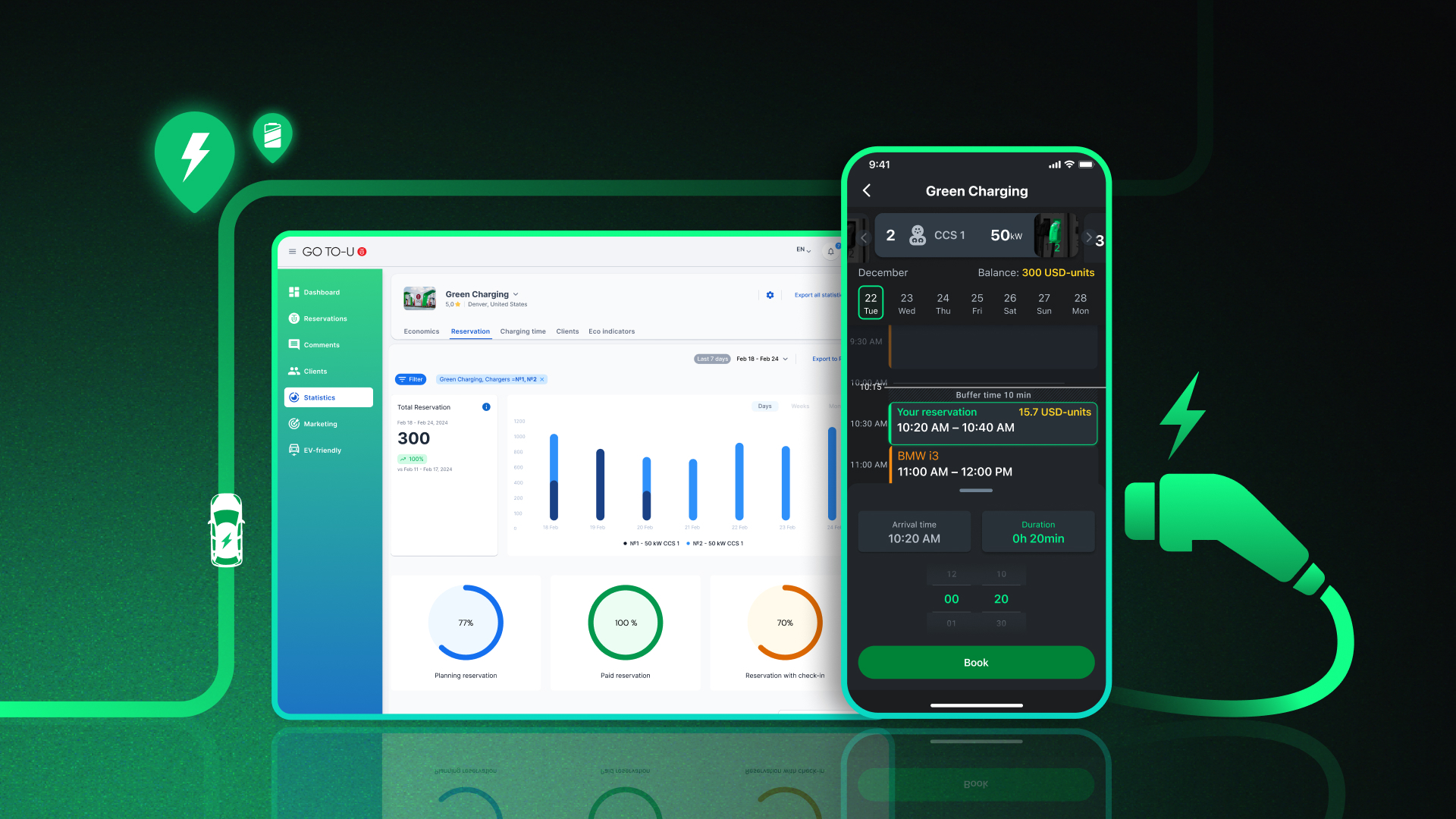
Effective management is key to the profitability of an electric vehicle charging business model. Industry average utilization rates are about 20%, but strategic placement and sophisticated software solutions like GO TO-U can boost these rates to between 40% and 80%. Technology such as dynamic reservation systems and proactive scheduling by GO TO-U enhance utilization by ensuring chargers are continuously in use and reliable for customers.
Financial Model Considerations
When formulating the electric vehicle charging business model, it's important to consider several financial aspects:
- Hardware Reliability: Choose reliable EV charging stations backed by solid manufacturer support for software updates and maintenance during and after the warranty period.
- Installation Costs: These vary significantly based on the charger type and logistics of the installation site.
- Operational Expenses: Regular maintenance and updates are necessary, and platforms may charge a management fee or a subscription for operational software solutions.
Revenue Streams
- Charging Fees: The primary source of revenue.
- Subscription Services and Advertising: Utilize charging stations with screens to offer advertising; this not only serves users but also provides additional revenue streams.
- Ancillary Services: Consider setting up a lounge area with vending machines or snack bars if space permits, to further increase revenue.
Conclusion
The EV charging business models are adaptable and can be tailored to various operational frameworks and site specifics. By thoroughly analyzing the target market, choosing the right locations and charger types, and efficiently managing the network, businesses can tap into the growing demand for electric vehicles. As the industry evolves, remaining flexible and responsive to new technologies and consumer behaviors will be crucial for long-term success.
Entering the EV charging station field with a well-planned EV charging station business model not only promotes environmental sustainability but also opens up numerous revenue streams, presenting a compelling business opportunity in the renewable energy landscape.