


The past decade has been nothing short of revolutionary for the automotive industry, driven primarily by electric vehicles (EVs). Since 2014, EVs have evolved from a niche product into a mainstream phenomenon, dominating city roads and even expanding into suburban and rural areas. Key factors behind this transformation include technological advancements, significant reductions in battery costs (leading to lower vehicle prices), and the rapid development of charging infrastructure. Despite this progress, misconceptions and concerns still linger among potential EV adopters.
Let’s explore how the EV market and charging infrastructure have evolved over the past decade and how GO TO-U is enhancing the charging experience to make life easier, more convenient, and more comfortable for EV drivers.
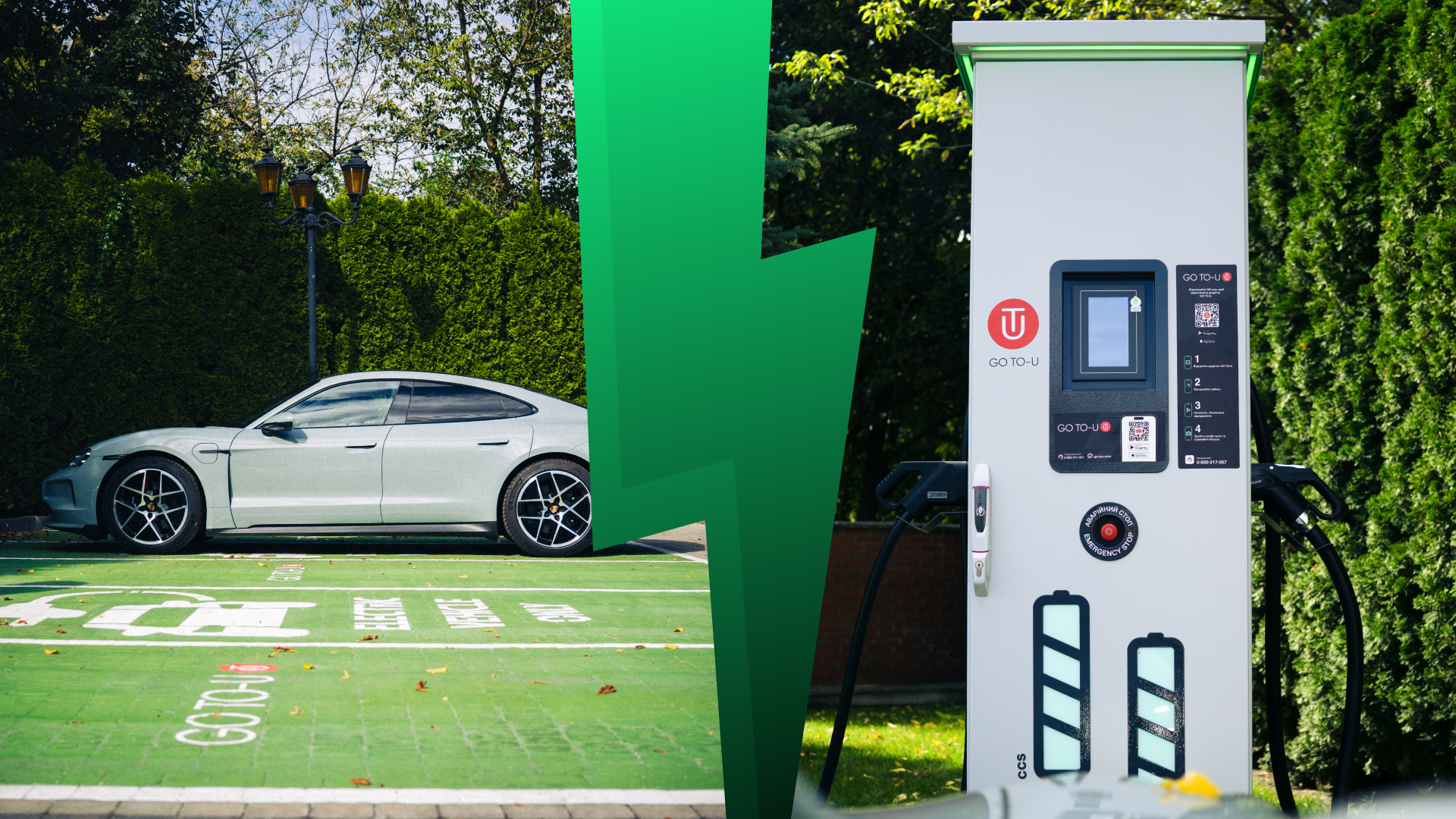
Growth of the EV Market
Since 2014, the EV market has seen tremendous growth. The number of available models has increased from just a few dozen to hundreds, now catering to a wide range of needs—from city cars to full-sized sedans, crossovers, and even trucks. Traditional automakers have expanded their offerings, while new players like Rivian and Lucid have emerged to challenge the status quo.
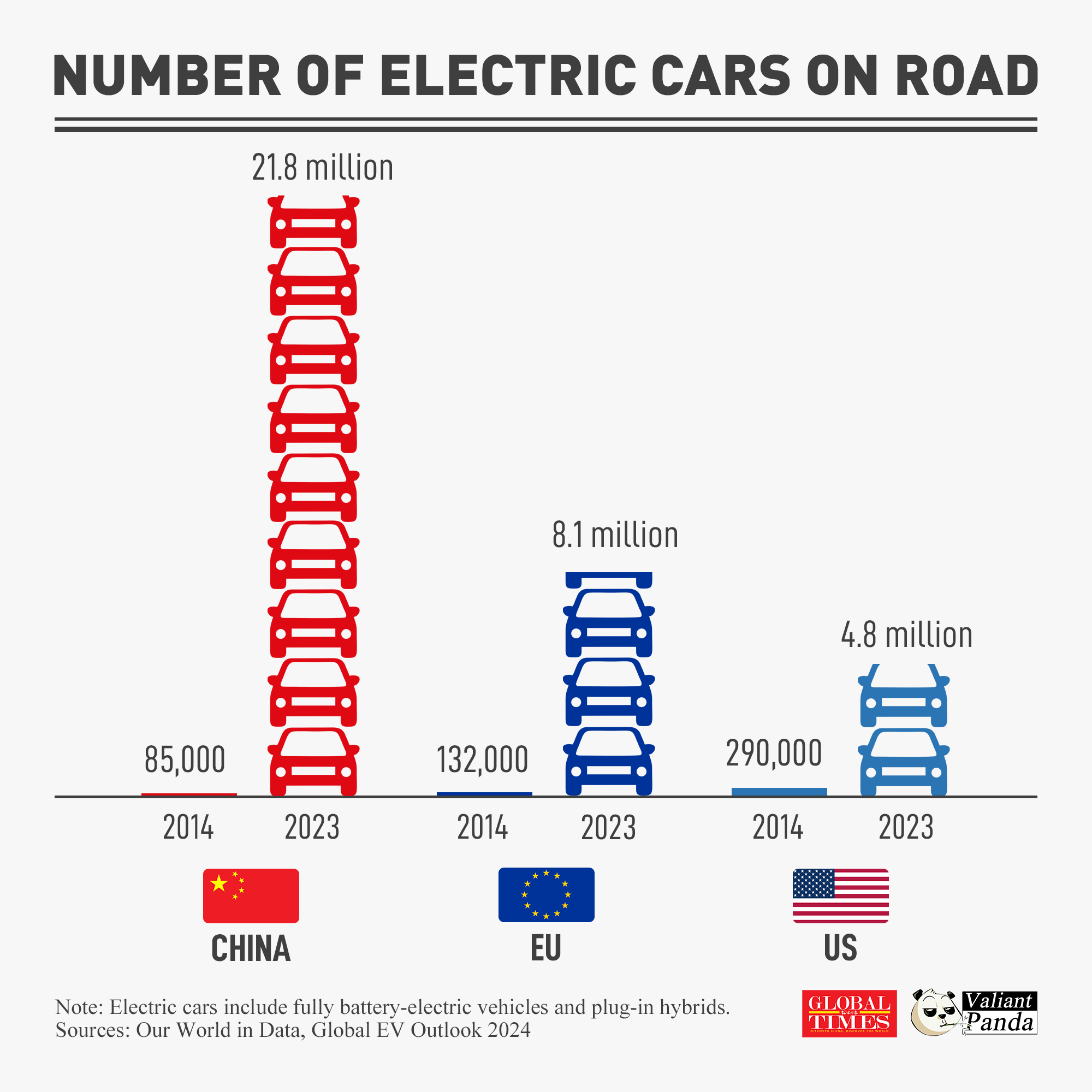
According to data from Global Times, there were 290,000 electrified vehicles (including both pure EVs and plug-in hybrids) on US roads in 2014, while in 2023, that figure skyrocketed to 4.8 million—highlighting a dramatic shift in consumer adoption.
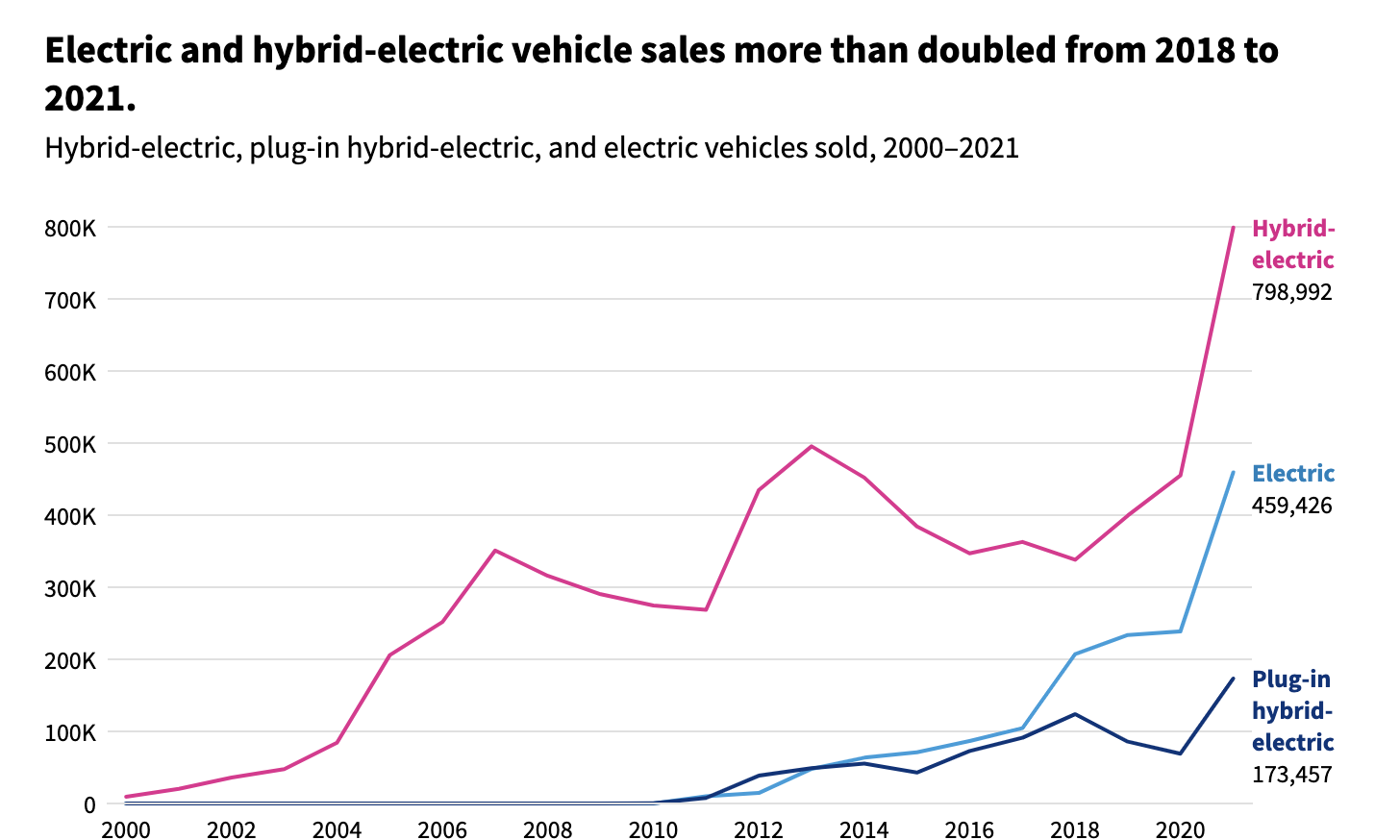
Sales statistics further underscore this shift. In 2014, only 63,525 pure EVs were sold in the US, but by 2021, sales had surged to 459,426 units. This growth has been driven by various factors, one of the main ones being the significant reduction in battery costs, which represent a key component of EV pricing. Back in 2012, when EVs were relatively new to the market, each kilowatt-hour of battery capacity cost around $400. By 2023, advances in manufacturing and technology had driven this cost down to as low as $139 per kWh, making EVs more accessible to the general public.
In addition to reduced battery costs, another major factor in market growth has been increased driving range. For example, while the average EV in 2011 could travel just 74 miles on a single charge, by 2022, this range had increased to 256 miles, with some 2024 models exceeding 400 miles per charge. As a result, EVs are no longer associated solely with short ranges and limited functionality—today, they can cover long distances on a single charge, meeting the needs of even the most demanding drivers.
Transformation of Charging Infrastructure
The growth of the EV market has brought a critical need for robust and accessible charging infrastructure. In regions like the US, where adoption is rapidly rising, the availability of reliable charging stations is essential. However, many EV owners still face long wait times and insufficient charging points, especially during peak travel periods or in busy urban centers.
Governments and private companies have heavily invested in developing charging infrastructure, making EV charging more accessible and convenient. According to the US Department of Energy, in 2013, there were 8,100 locations with charging stations in the US, totaling 19,472 charging points. Ten years later, these figures rose to 68,457 locations and 184,098 charging points, respectively—a testament to ongoing efforts to improve charging availability.
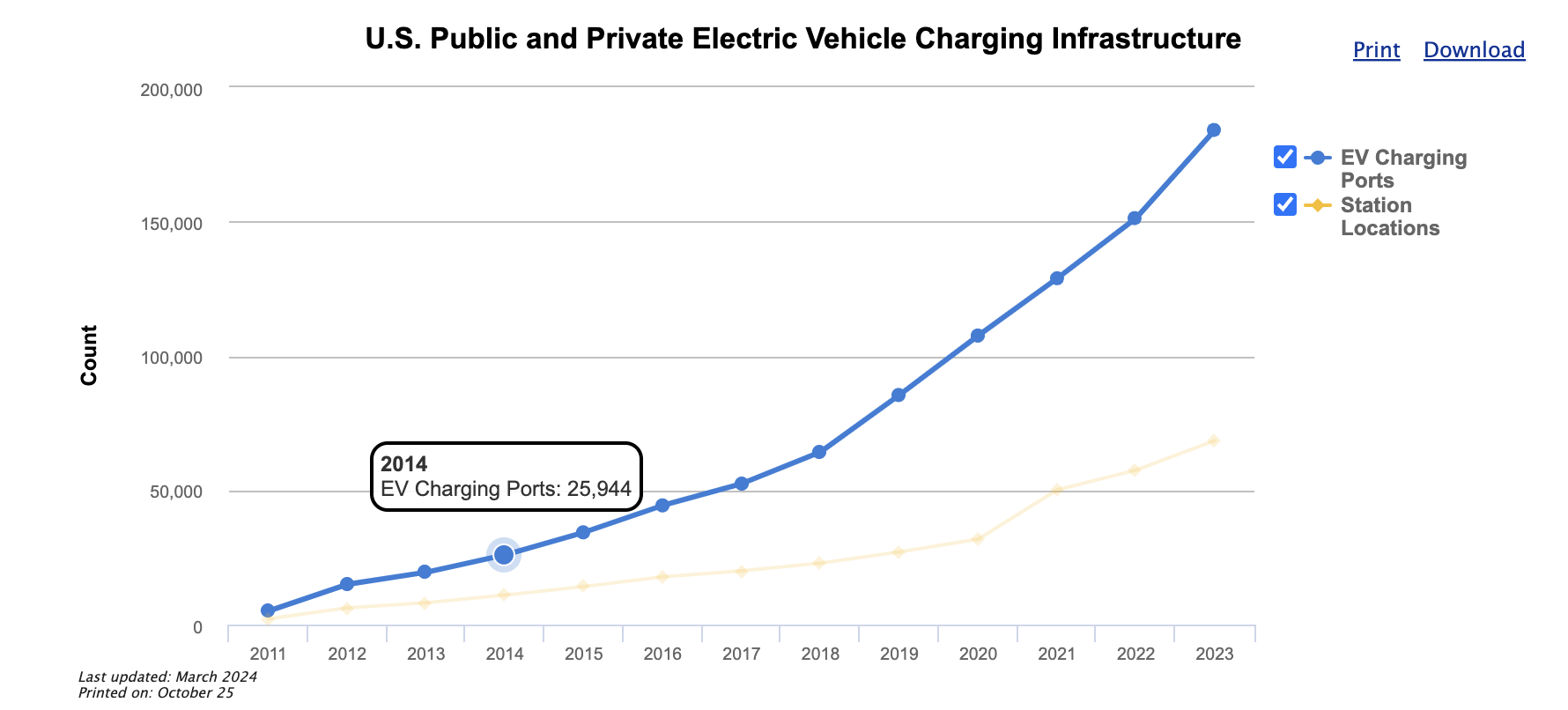
However, despite this growth, gaps still exist, particularly in the US, where long queues at charging stations remain a challenge for many drivers.
GO TO-U: Empowering a New Era of Convenience
GO TO-U is a platform designed to bring convenience and accessibility to a new level. With its intuitive app, users can not only find the nearest charging station but also reserve it in advance—eliminating one of the biggest concerns among EV owners: the risk of arriving at an occupied station. This is particularly important for families with children or business travelers who need to plan their stops without the stress of finding an available spot.
GO TO-U helps station owners and operators integrate charging stations into various infrastructure points, such as shopping centers, cafes, and hotels. This allows drivers to conveniently charge their vehicles while running errands, dining, or enjoying leisure activities. The GO TO-U platform provides transparency and access to real-time station information, ensuring that users are confident a charging station is available and functioning properly.
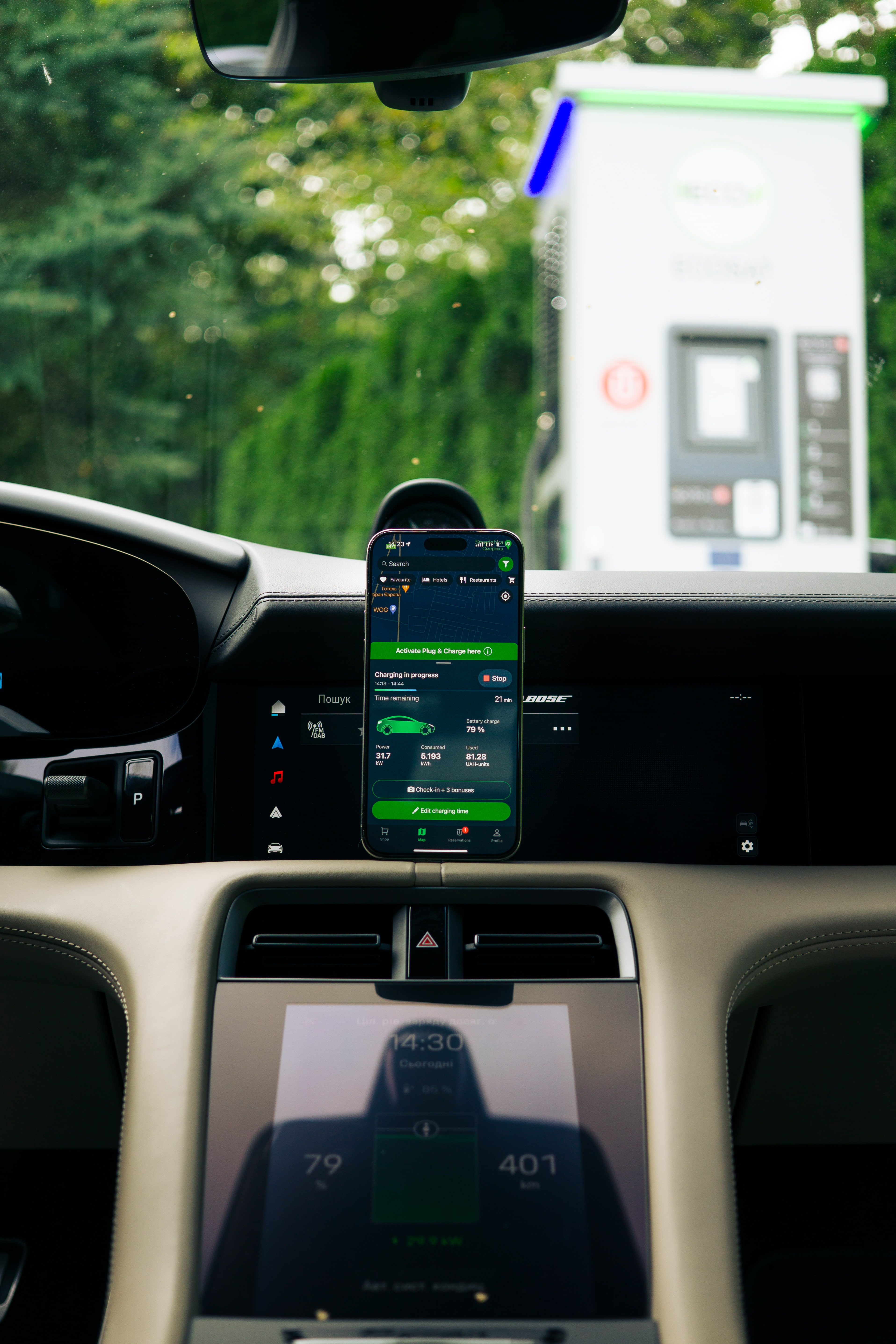
This approach significantly enhances user convenience and contributes to the widespread adoption of EVs among people who value efficiency and ease of use.
Bridging the Gaps in US Charging Infrastructure
While the US has made strides in expanding EV charging networks, the rapid growth of the EV market has exposed the need for better infrastructure. Long queues and limited charging station availability are pain points that require innovative solutions. Rather than merely increasing the number of charging stations, it’s crucial to create an integrated ecosystem where convenience and planning are prioritized.
GO TO-U is addressing these challenges by providing a platform that empowers both businesses and EV drivers, ensuring that charging is not just available but also predictable and user-friendly.
Conclusion
The story of electric mobility over the past decade demonstrates how quickly everyday realities can transform under the influence of innovation and market demand. Today, EVs are becoming not just an alternative but a primary choice for those seeking economic and environmental responsibility. With the development of charging infrastructure and platforms like GO TO-U, using an EV is becoming just as convenient and accessible as using a traditional fuel-powered vehicle.
As we move forward, bridging the gaps in charging infrastructure will be essential. By focusing on solutions that prioritize convenience, transparency, and reliability, GO TO-U is leading the charge toward a fully sustainable and integrated EV ecosystem.